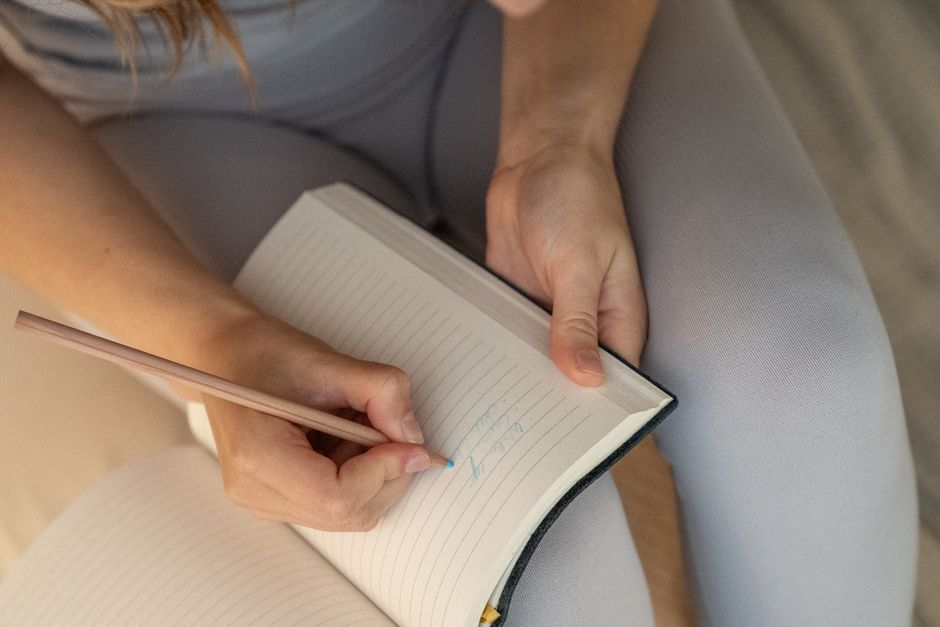
Journaling For Clarity

On a quiet early morning, just before breakfast, the kitchen counter is set for a brief creative session. A notebook lies open next to a pen, waiting for thoughts to flow. The coffee mug sits nearby, steam curling up into the air, a reminder of the calm before the day’s noise begins. As the pencil is picked up, it becomes clear that it needs sharpening—a small but crucial step that often gets overlooked. This moment, though seemingly minor, can easily derail the intention to journal for clarity.
Reaching for the sharpener, the mind drifts to what should come next. The desire to write a short reflection is overshadowed by the nagging thought that the next step was never marked. Without a clear prompt or direction, the pencil feels heavy in hand. This friction can turn a simple journaling routine into a source of frustration, as the intention to clarify thoughts slips away. The supply tray, filled with various tools, holds the potential for creativity, yet without a visible cue to guide the process, the opportunity for clarity fades into the background.
The Morning Setup That Goes Awry
As the early morning light filters through the kitchen window, a cup of coffee is poured, its warmth promising a moment of calm. Sitting at the kitchen counter, the notebook lies closed, and the pen feels uninviting. The first hurdle is evident: the pencil, the chosen tool for this session, is dull. Without the sharp point needed to capture thoughts, the intention to journal for clarity feels stifled. This small detail, often overlooked, can halt the entire process before it even begins.
Reaching for the sharpener, the mind begins to wander. A thought surfaces about how keeping prompts short could ease the transition into writing, but the notebook remains unopened, creating a barrier that feels insurmountable. The pencil needs sharpening first, yet the act of doing so introduces a delay, pulling focus away from the creative session. With each twist of the sharpener, the anticipation of clarity dims slightly, overshadowed by the nagging feeling that without a clear prompt, the journaling session might slip away entirely.
In this moment, a visible cue could make all the difference. Perhaps placing a simple sticky note on the cover of the notebook with a prompt could serve as a reminder of what to write about. That small adjustment—a prompt ready to go—could transform the morning routine from a frustrating start into a more fluid creative habit, allowing for a smoother transition into the journaling process.
A Small Mistake That Disrupts Focus
The morning light filters through the kitchen window, illuminating the art desk where a notebook and a pen sit waiting. The coffee mug, still steaming, provides a comforting aroma, yet the pencil remains dull, untouched. As the protagonist settles in, the thought of sharpening the pencil slips their mind, leading to an immediate sense of frustration. This small oversight sets a tone for the session, as the blank page looms, waiting for inspiration that feels just out of reach.
After pouring a cup of coffee, the instinct to check the phone kicks in, pulling attention away from the quiet moment. Instead of writing even a single line, the protagonist scrolls through notifications, feeling the stillness of the morning slip away. It was easy to miss the pencil’s dullness in the excitement of starting the day—a simple act of preparation could have paved the way for clarity. If only they had placed a small sharpener next to the notebook as a visual cue, it could have prompted a quick action before diving into the journaling process.
Now, the opportunity for a focused creative session feels compromised. The pencil still requires sharpening, and the quiet morning is fading into the noise of the day. A single line written before checking the phone might have anchored the moment, but instead, the routine has become a series of interruptions. This small mistake, easily overlooked, highlights how crucial it is to prepare the space and tools before attempting to capture thoughts on paper.
This same friction shows up again in Starting New Hobbies Slowly, especially when the day tightens unexpectedly.
Quick Fixes for a Smooth Start
Morning journaling can quickly derail if the tools aren’t ready to go. The pencil, for instance, needs sharpening before it can even touch the page. If it sits in the supply tray, dull and neglected, the momentum of the early morning slips away. Instead of diving into thoughts, the focus shifts to finding a sharpener, which can lead to distractions and interruptions.
- Keep a small sharpener next to the supply tray to ensure the pencil is always ready.
- Set a timer for five minutes to limit distractions and encourage immediate writing.
- Place your notebook and pen in a designated spot on the kitchen counter, making them the first things you see in the morning.
Before the day gets louder, take a moment to prepare. Setting the timer not only creates urgency but also helps to combat the urge to check your phone. By sharpening the pencil and placing it alongside the notebook, you create a clear starting point for your journaling session. This simple adjustment can transform your routine, making it easier to capture thoughts before the morning slips away.
Establishing a Repeatable Morning Routine
If this pattern keeps repeating, Creative Hobbies For Adults extends the idea without leaving the niche.
Before the sun fully rises, the kitchen counter becomes a quiet sanctuary for morning journaling. The notebook lies open, but the pen is missing, buried somewhere in the clutter of the supply tray. This small detail can derail the entire session. To combat this, designate a specific spot for your pen and notebook, ensuring they are always visible and ready to use. A simple checklist of supplies can help: notebook, pen, sharpener, and a small timer. Having these items in place prevents the last-minute search that disrupts your flow.
As you settle into your space, consider the layout of your journaling area. A clutter-free environment minimizes distractions. Keep the tray organized, with the sharpener perched next to the notebook. This way, as you prepare to write, you can quickly sharpen your pencil without losing momentum. The act of sharpening signals the start of your creative session, creating a mental cue to focus.
Set a small timer for five minutes as you begin. This creates urgency and helps you resist the urge to check your phone. With the timer ticking, the pressure to write a single line becomes a manageable task, allowing clarity to flow. By establishing this repeatable routine, you not only streamline the process but also create a reliable habit that enhances your journaling experience over time.
As you wrap up your journaling session, take a moment to notice the small details that can make a significant difference. If you find yourself struggling with clarity, consider leaving your pencil sharpener out on the supply tray. This simple act serves as a visual reminder to prepare your tools before diving into your creative thoughts. When the pencil is sharp and ready, the transition into writing feels seamless, allowing ideas to flow more freely.
Before you step away, check your notebook for any unfinished prompts or reflections. Marking the next step with a quick note can prevent the disruption of clarity in your next session. This small adjustment ensures you’re not starting from scratch each time, but instead building on your previous thoughts. By establishing this routine, you create a smoother path for your journaling practice, making it easier to navigate the creative blocks that can arise.