Why Journaling for Clarity Often Fails Before It Begins
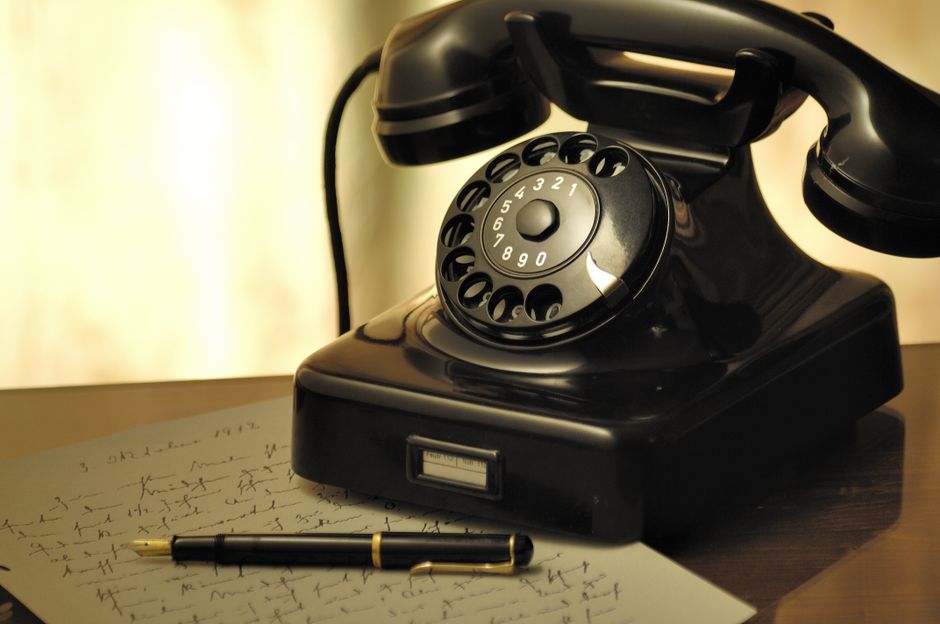
On a quiet early morning, the kitchen counter is scattered with art supplies—a sketchbook, a pen, and a half-empty coffee mug. The light filters softly through the window, creating a perfect moment for reflection and creativity. As the adult beginner sits down, the intention to start a new sketchbook session feels promising. Yet, the setup quickly becomes overwhelming. The blank page stares back, and the thought of choosing what to draw next suddenly feels like a daunting task. The first line remains unwritten, and the urge to check the phone pulls at the edges of focus.
With the pen resting on the open page, the moment slips away. The initial excitement fades into a swirl of uncertainty about where to begin. The small act of marking the next step—a simple note about what to explore in the next session—gets lost in the shuffle. Instead of diving into the creative process, the setup feels bigger than the actual practice, creating a barrier that halts progress before it even starts. This friction, often unnoticed, can derail good intentions and leave the sketchbook untouched, waiting for a clearer path forward.
The Morning Setup That Should Work
The kitchen counter is set up for a perfect start: a clean notebook lies open beside a smooth, black pen, and a steaming coffee mug sits within reach. It’s early morning, the house still quiet, and the intention is clear—write a short reflection before the day’s noise begins. The plan is simple: jot down one line to ease into the sketchbook session, capturing thoughts before the temptation to check the phone disrupts the flow.
As the pen hovers over the page, the first action should be straightforward. Instead of diving into an overwhelming choice of what to sketch, the focus can shift to writing a single line about the day ahead or a fleeting idea that sparked interest. But then, a moment of hesitation creeps in. The blank page feels like an invitation to perfection, and the mind races with possibilities. What if the first line isn’t good enough? The intention to write falters, and the urge to reach for the phone grows stronger, promising distractions that seem more appealing than facing that empty space.
To counter this friction, a small adjustment could be made: place a sticky note on the edge of the notebook with a prompt for the next session. This note could simply read, "Draw something from yesterday's walk." By marking the next step, the pressure of choosing what to create evaporates, allowing the adult beginner to focus on the immediate task at hand. Yet, even with this preparation, the initial excitement gives way to uncertainty, and the pen remains still, caught in the tension between intention and the fear of imperfection.
Where the Routine Crumbles
On a quiet kitchen counter, the early morning light spills over a half-filled coffee mug and a blank sketchbook. After writing just one line in the notebook, the urge to check the phone surfaces. It’s a familiar dance: one line of reflection, then a quick glance at the screen to see if anything important has come in. This moment marks the first visible sign of drift, where the initial intention to journal begins to unravel.
As the phone lights up with a notification, the focus shifts from the sketchbook to the device. The thought of returning to the page feels heavier, almost daunting. What started as a simple act of journaling has transformed into a tug-of-war between creativity and distraction. In this moment, the adult beginner might realize that the setup feels bigger than the actual practice. The sketchbook, once a welcoming canvas, now seems to demand more than just a few lines.
To counteract this friction, a small but effective adjustment is to leave the pen resting on the open page of the sketchbook before reaching for the phone. This way, when the distraction passes, the pen is already positioned for action, ready to capture the next thought. The next page isn’t chosen, but the act of leaving the pen there serves as a reminder of intention amidst the chaos. In this delicate balance, the adult beginner must navigate the tension between the desire to create and the pull of the outside world, often finding that the simplest actions can either anchor them back to their practice or let them drift away.
Why the Distraction Happens
A slightly different version of this problem appears in Creative Hobbies For Adults, where the sequence changes but the hidden drag feels familiar.
As the adult beginner sits at the kitchen counter, notebook open and pen poised, the distractions begin to creep in. The phone, resting just within arm's reach, becomes an easy temptation. One quick check can easily stretch into a scroll through social media, pulling focus away from the sketchbook and the creative session.
- The setup feels overwhelming; materials are scattered across the table, with colored pencils jumbled in a tray and the sketchbook not even fully opened to the next page.
- With the quiet morning slipping away, the pressure to produce something meaningful adds to the friction, making the act of starting feel like an insurmountable task.
- Another hidden cause is the fear of imperfection; the adult beginner may hesitate to mark the page, worried that the first line won’t match the vision in their head.
To counteract this, a simple adjustment can be made: before the day gets louder, take a moment to gather supplies. Place the sketchbook in a more accessible spot, perhaps right next to the coffee mug, and designate a specific area for the colored pencils. This small act of organization can help reduce the feeling of chaos, making it easier to dive into the creative practice. However, the tradeoff remains—while tidying up can clear the mental clutter, it also requires time that could be spent creating. The balance between preparation and action is delicate, and often, the decision to start is what truly matters.
A Simple Correction to Keep Focus
If this pattern keeps repeating, Starting New Hobbies Slowly extends the idea without leaving the niche.
Setting up a journaling space the night before can significantly ease the transition into a creative session. Picture this: the quiet kitchen counter, still dim from the early morning light, where your sketchbook lies open, waiting for your first mark. Next to it, a small timer sits ready to enforce a five-minute limit on phone checks. This setup not only prepares you for the next morning but also reduces the friction that often derails the intention to journal.
When you wake up, the first step is to grab your favorite pen and take a seat at that counter. With the timer set, write just one line in your sketchbook before allowing yourself to check your phone. This small correction—keeping the timer visible—creates a boundary that encourages focus. You might find that the act of writing even a single sentence helps to quiet the noise of distractions. If you leave the pen on the open page, ready to go, it becomes a visual cue that prompts you to continue your thoughts rather than getting sidetracked.
However, the tradeoff here is the time spent organizing the space the night before versus the immediate urge to start drawing. While it may feel like a delay, this preparation can actually pave the way for a smoother creative flow. By reducing the setup time in the morning, you create a more inviting atmosphere for your art practice, one that invites spontaneity instead of hesitation.
A Quick Check That Prevents More Drift
The quiet morning light spills across the kitchen counter, illuminating the supplies waiting in your tray: a sketchbook, a favorite pen, and a steaming coffee mug. Before diving into your sketchbook session, take a moment to check that the next page is chosen and ready for your thoughts. This simple act, often overlooked, can create a mental cue that signals your brain it’s time to engage with your creativity.
Place your pen on the open page of the sketchbook as a visual reminder. This small detail can help you avoid the common pitfall of flipping through pages, which often leads to distraction. Instead of getting lost in the past sketches or blank pages, you can focus on the fresh canvas in front of you. Set a timer for five minutes and write a single line about what you want to explore today. This quick check keeps your intention clear and prevents the drift that can occur when you hesitate at the first line.
As you sip your coffee, notice how the act of writing—even just one line—can anchor you in the moment, making the setup feel less daunting. The tradeoff here lies in the brief pause before you begin drawing, but this small preparation can lead to a more fluid creative session. By marking your next step clearly, you create a pathway that encourages you to pick up the pen again, rather than letting the moment slip away into indecision.
What Changes Once That Fix Repeats
Leaving the pen resting on the open page of your sketchbook can transform your creative routine. Instead of the usual hesitation that comes with flipping through blank or previously filled pages, you establish a direct invitation to begin. The sight of the pen poised atop the page serves as a gentle nudge, reminding you that the next step is simply to draw. This small adjustment can shift your mindset from one of uncertainty to readiness, making the act of starting feel less intimidating.
In the quiet early morning, as the kitchen counter remains untouched by the day’s chaos, you can notice a significant difference in your next time block. With the pen already in place, you might find yourself sketching a quick outline or jotting down a single word that encapsulates your intention for the session. This brief action not only solidifies your focus but also sets a clear direction for your next creative endeavor. Each time you repeat this practice, the friction of starting diminishes, allowing your art practice to flow more freely.
As you navigate the initial friction of starting a sketchbook session, the simple act of placing your pen on the open page can transform the experience. This small gesture not only signals your readiness to begin but also reduces the overwhelming feeling that often accompanies a blank page. When you take a moment to mark the next step—whether it’s a doodle, a word, or a quick outline—you create a tangible link to your creative intentions.
In those quiet early mornings, before the kitchen counter fills with the day’s distractions, consider leaving your pen on the page as a reminder for your next session. This small check can serve as an invitation to return, making it easier to pick up where you left off. Each time you do this, the barrier to starting diminishes, allowing your creative habits to flourish with more ease.