Journaling For Clarity
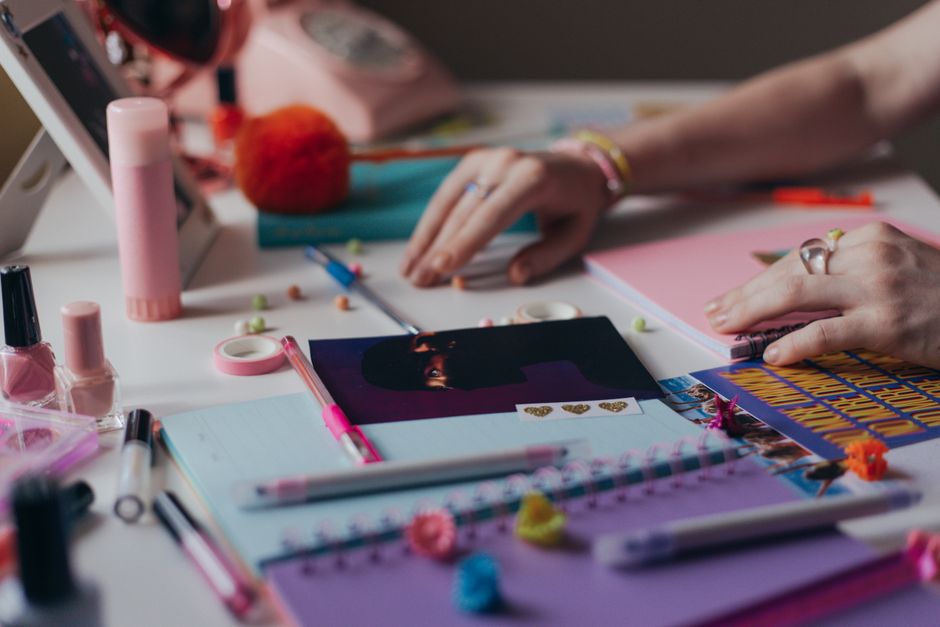
Early morning light spills across the kitchen counter, illuminating the scattered supplies of a long-neglected art desk. A notebook sits open, its pages blank and waiting, while a pen lies poised, but the pencil needs sharpening before anything can begin. This moment, filled with potential, often feels heavier than it should. The setup—gathering tools and finding a quiet space—can quickly overshadow the simple act of journaling. As the day edges closer, the temptation to skip this creative ritual grows stronger, leaving thoughts unexpressed and ideas unformed.
Before diving into a journaling session, it’s easy to overlook small details that can make a significant difference. The act of opening the sketchbook should be a seamless transition, yet it often becomes a hurdle when supplies are scattered or unprepared. A quick check of the workspace reveals that the coffee mug is still half-full, a reminder to take a moment for oneself. This routine, meant to foster clarity, can become an obstacle if not approached with intention. Recognizing these friction points is essential for transforming journaling from a daunting task into a fluid part of the creative process.
The Default Journaling Routine: A Morning Struggle
On a quiet morning, the kitchen counter is set with a notebook and a pen, ready for a moment of reflection. The soft glow of a lamp casts a warm light over the workspace, creating an inviting atmosphere. However, as the intention to write swells, distractions start to creep in. The coffee mug, still half-full, sits nearby, a reminder of yesterday's rush. It seems reasonable to think that a few quiet minutes before breakfast could yield clarity, yet the reality often diverges from this expectation.
As the clock ticks closer to breakfast time, the mind races with thoughts of the day ahead. The initial excitement of journaling quickly morphs into a struggle against the mounting noise of impending tasks. The pen, poised above the open page, feels heavier than it should. Instead of diving into the sketchbook, the mind wanders to the art desk piled with unfinished projects, each demanding attention. The very act of opening the sketchbook becomes daunting when faced with the clutter of uncompleted creative hobbies.
A quick check reveals that the pencil needs sharpening before anything can begin. This small detail, often overlooked, can become a significant barrier. Instead of diving into the reflection intended for the day, one finds themselves caught in the cycle of preparation. The desire to journal is there, but the setup feels bigger than the practice itself. Recognizing this friction is crucial; it’s not just about the act of journaling but about creating a space where the practice can thrive without the weight of distractions.
When the Default Fails: Overwhelm and Inaction
The kitchen counter, bathed in the soft glow of a lamp, sets the stage for a quiet morning. The sketchbook lies open, yet the pencil remains untouched beside a coffee mug. A quick glance reveals the pencil's dull tip, a detail that can easily slip through the cracks of a creative session. This small task—sharpening the pencil—can become a mental hurdle, amplifying the sense of overwhelm. Instead of diving into the sketchbook, thoughts spiral into the pressure of producing something profound, leading to a paralyzing inaction.
As the mind drifts to the clutter of unfinished craft projects scattered across the art desk, the act of journaling transforms from a simple reflection into a daunting challenge. The fear of facing the blank page looms larger than the act itself. In this moment, the setup feels more significant than the practice, creating a cycle where the desire to journal is overshadowed by the weight of expectations. The pencil, once a tool for expression, becomes a symbol of hesitation, illustrating how easily the default method can falter under pressure.
If this pattern keeps repeating, Starting New Hobbies Slowly extends the idea without leaving the niche.
A Workable Alternative: Prepping for Clarity
Morning light filters through the kitchen window, illuminating the quiet table where the sketchbook lies open, waiting. The first step to overcoming the creative block is to set a timer for five minutes. This simple act creates a low-pressure environment, allowing thoughts to flow without the weight of expectations. Instead of staring at the blank page, the ticking timer becomes a gentle nudge to write freely, even if it’s just a few lines about yesterday’s events or a fleeting idea.
Before diving in, ensure the pencil is sharpened and the sketchbook is ready. This small adjustment reduces setup time, making the transition from thought to action smoother. As the pencil glides across the page, the act of journaling transforms into a spontaneous exploration rather than a chore. Leaving the pen resting on the open page serves as a visual cue to return, reinforcing the habit without overwhelming the mind. By shifting the focus from the daunting task of journaling to a few quick reflections, the creative session feels more accessible, inviting, and ultimately productive.
The Tradeoff: Comfort vs. Commitment
The quiet morning light spills across the kitchen counter, illuminating the art desk cluttered with supplies. A sketchbook sits open beside a sharpened pencil, ready for action. This prepared setup, while seemingly less spontaneous, can shift the journaling experience from a daunting task to an inviting exploration. The act of arranging your space—placing the coffee mug at the right angle, ensuring the pencil is sharp, and the sketchbook is within reach—creates a subtle but impactful commitment to the practice.
Choosing to prepare your environment may feel like it stifles creativity at first. However, this initial effort pays off. When you sit down to write, the setup encourages a flow of thoughts rather than a struggle against distractions. Instead of wrestling with the decision of where to start, the act of opening the sketchbook becomes a clear signal to engage with your ideas. The pencil glides across the page, capturing fleeting thoughts and insights that might otherwise slip away.
On the flip side, opting for a more spontaneous approach often sacrifices the clarity that comes with preparation. Without a designated space or a sharpened pencil, the journaling session can devolve into a chaotic search for supplies, leaving little room for reflection. The tradeoff is evident: comfort in spontaneity may lead to less productive sessions, while commitment through preparation fosters deeper engagement with your creative habits.
Finding the Right Fit: Timing and Environment
A slightly different version of this problem appears in Creative Hobbies For Adults, where the sequence changes but the hidden drag feels familiar.
Quiet mornings before breakfast often serve as the perfect backdrop for journaling. As the sun begins to rise, casting a warm glow across your kitchen counter, the stillness invites creativity. This is the time to open your sketchbook, letting the blank pages act as a canvas for your thoughts. The act of setting up your space can feel like a ritual, one that transitions you from sleep to a state of creative readiness.
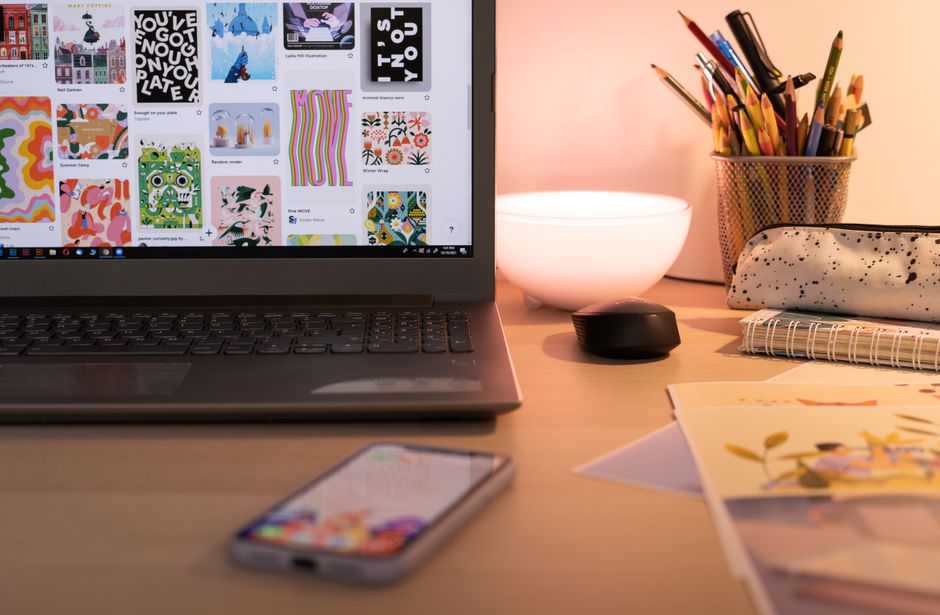
Your art desk, illuminated by a lamp, transforms into a cozy nook. The soft light highlights your supplies: a sharpened pencil, a notebook, and perhaps a coffee mug steaming beside you. Before diving into your journaling, take a moment to check that everything is within reach. A small timer can help, too; setting it for ten minutes encourages focused bursts of creativity. This way, the setup doesn’t feel overwhelming, and you can ease into the practice without distractions.
However, the challenge often lies in the friction of setup. If your pencil is dull or your notebook is tucked away in a drawer, the initial excitement can quickly fade. Instead of diving into your reflections, you find yourself searching for supplies, which disrupts the flow. By keeping your art desk organized and ready for action, you mitigate this friction. The simple act of sharpening your pencil beforehand can signal your brain that it’s time to create, making the transition smoother and your journaling sessions more productive.
As you sit at your lamp-lit work surface, the quiet of the early morning can be the perfect backdrop for your journaling practice. Yet, if you find your sketchbook buried under a stack of papers or your pencil in need of sharpening, the moment can slip away. The setup might feel larger than the actual act of journaling, causing hesitation. Instead of diving into your reflections, you might end up distracted by the search for supplies.
To combat this, establish a routine that includes a quick check of your materials. Before you even open your sketchbook, take a moment to sharpen your pencil and lay out your supplies. This small action not only prepares you but also signals your mind that it’s time to create. Next time you sit down, ensure your art desk is ready and inviting, making it easier to transition into your creative session without unnecessary friction.