When Materials Are Close But Not Ready: The Friction of Journaling for Clarity
On a quiet early morning, just before breakfast, I find myself at the kitchen counter, sketchbook open, pen resting on the edge of the page. The sunlight filters through the window, illuminating the blank sheets waiting for the first mark. I pour a cup of coffee, feeling the anticipation of creativity bubbling inside me. Yet, despite the inviting setup, my supplies remain zipped in a bag across the room. The act of reaching for them feels like an unnecessary hurdle, one that disrupts the flow of my thoughts before they even have a chance to take shape.
This friction often goes unnoticed, but it’s a critical moment that can derail my journaling practice. The supplies, though physically close, are not ready for immediate use. I realize that the simple act of leaving the pen on the open page isn’t enough; I need to have the sketchbook and tools organized in a way that invites action. When I sit down to write or draw, the setup shouldn’t feel bigger than the actual practice. Instead, it should flow seamlessly into my routine, allowing me to capture ideas without interruption. This small, yet significant detail can make all the difference in maintaining clarity and fostering creativity.
The Morning Setup That Gets Overlooked
The kitchen counter is a jumble of coffee mugs and scattered papers, remnants of yesterday’s thoughts. In the midst of this clutter, my open sketchbook lies waiting, its blank pages inviting yet intimidating. However, the pen I intend to use is resting on a nearby table, a small but significant barrier that disrupts my flow. This moment, where I have everything I need within reach yet feel the friction of disorganization, often becomes a stumbling block in my journaling routine.
As I pour my morning coffee, I glance at the sketchbook, the crisp edge of the page catching my eye. I realize that leaving the pen on the open page would signal readiness, a small act that could streamline my transition into creativity. Instead, I find myself hesitating, debating whether to grab the pen or just sit and reflect. This hesitation creates a gap between intention and action, making the setup feel larger than the actual practice.
To ease this friction, I decide to place the pen directly on the sketchbook as I finish my coffee. With the pen now resting on the page, I can dive into my thoughts without the added step of searching for it. This simple adjustment transforms my morning ritual, allowing me to capture fleeting ideas before the day gets louder. Yet, even with this small change, I notice that the clutter around me still looms large, a reminder that the environment can influence my creative habits. The act of journaling should feel inviting, not like a chore, and that starts with a setup that encourages immediate engagement.
When the Routine Starts to Slip
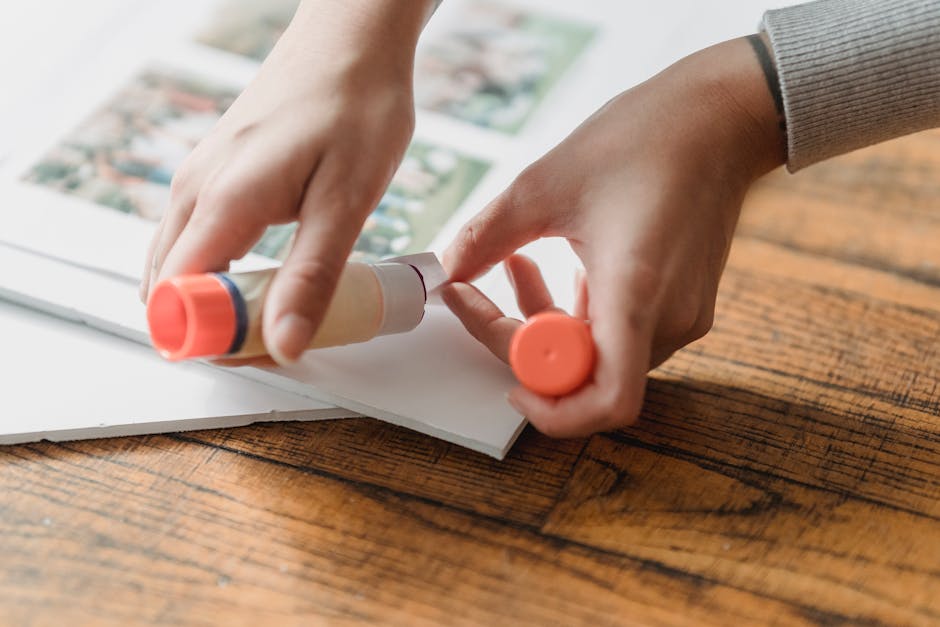
As the coffee brews on the kitchen counter, I glance at my sketchbook, its pages waiting for thoughts and ideas, yet the pen lies just out of reach on the cluttered table. The aroma of the coffee fills the air, but instead of feeling inspired, I find myself distracted by the mess around me—an old craft project scattered with bits of paper and glue sticks. The urge to write is palpable, but the visual chaos pulls my attention away, creating a barrier between my intention and action.
In that moment of hesitation, I realize I’ve missed a crucial check: I didn’t set the pen next to the sketchbook before starting the coffee. This small oversight transforms the setup into a mental hurdle. I could easily grab the pen, but the thought of navigating through the clutter feels daunting. Instead, I pour my coffee and leave the pen on the open page, a visible cue that invites me to return. Yet, even with this adjustment, the surrounding disarray remains a reminder of how easily the journaling routine can falter, making the act of picking up the pen feel like a chore rather than a creative escape.
Why Setup Feels Bigger Than the Practice
The morning light filters through the kitchen window, illuminating my sketchbook resting on the counter. Yet, the moment I reach for it, I remember that my supplies are zipped away in a bag across the room. This simple barrier creates a mental block, transforming what should be an easy transition into a chore. Instead of flowing into my creative session, I find myself hesitating, weighing the effort of retrieving my materials against the desire to start journaling.
- Searching for my pen interrupts my train of thought, making it harder to reconnect with my ideas.
- The effort to dig through the bag feels disproportionate to the act of writing, creating an unnecessary friction.
- Good intentions are overshadowed by the reality of disorganization; I had planned to journal, but now I’m stuck.
As I pour my coffee, I leave the pen on the open page of my sketchbook, creating a visible cue. This small adjustment helps, but the act of having to search for my materials still lingers in my mind. I realize that if I had simply placed my supplies within arm's reach the night before, I could have avoided this disruption entirely. It’s a reminder that even the best intentions can falter when the setup feels larger than the act itself, leaving me to question how often I let disorganization derail my creative habits.
A Simple Adjustment to Streamline the Process
A slightly different version of this problem appears in Creative Hobbies For Adults, where the sequence changes but the hidden drag feels familiar.
On a quiet early morning, the kitchen counter becomes my creative sanctuary. With my sketchbook open, I notice the blank page staring back at me, a canvas waiting for ideas. However, my pen remains zipped inside a bag across the room, creating a barrier between intention and action. This small detail, though seemingly minor, can derail my journaling session before it even begins. I realize that if I had placed the pen directly on the open page the night before, I could have eliminated this friction entirely.
After pouring my coffee, I decide to set a small timer for five minutes. This creates a focused writing session, allowing me to dive into my thoughts without the distraction of searching for supplies. As I take a sip from my mug, I leave the pen on the page, a visible cue that signals my intention to write. This simple adjustment transforms my setup from a daunting task into a straightforward action. The act of writing becomes less about overcoming obstacles and more about engaging with my ideas, even if just for a few minutes.
While this change makes a noticeable difference, I still find myself grappling with the larger setup. The bag of supplies, neatly tucked away, feels like an unnecessary hurdle. I wonder how many creative sessions I’ve missed simply because I didn’t prepare my space the night before. The friction of disorganization continues to linger, reminding me that even small adjustments can lead to greater clarity in my journaling practice.
What Gets Easier in the Next Time Block
If this pattern keeps repeating, Starting New Hobbies Slowly extends the idea without leaving the niche.
The kitchen counter, cluttered yet inviting, becomes my makeshift art desk each morning. As I pour my coffee, I glance at the small bag of supplies stashed nearby, still zipped tight. This setup feels heavier than it should, creating a mental block before I even open my sketchbook. I know I want to draw, but the thought of rummaging through the bag for my favorite pens adds unnecessary friction to my creative routine.
After a few mornings of this, I decide to leave my essential tools out in plain sight. I place my sketchbook directly next to the coffee maker, with my pen resting on the open page. This visible cue shifts my mindset; instead of feeling overwhelmed by the setup, I now see a clear invitation to engage. The act of opening the sketchbook after pouring my coffee becomes a seamless transition. I find that I can quickly jot down ideas or sketches before the day gets louder, turning a potential roadblock into a moment of inspiration.
However, the lingering presence of the zipped bag still looms in my mind. While the immediate setup is easier, I can't shake the feeling that I should have prepped the night before. I wonder how many creative sessions I’ve sidelined simply because I didn’t take a few minutes to lay the groundwork. The friction of disorganization remains a subtle but persistent challenge, reminding me that while some adjustments simplify my practice, others still require attention.
As I sit at the kitchen counter with my coffee, I notice the small timer I often use for quick sketch sessions. It’s a simple tool, but when I place it next to my open sketchbook, it transforms my approach. Instead of feeling daunted by the prospect of filling a blank page, I can set the timer for ten minutes and focus solely on sketching without the pressure of a lengthy commitment. This small shift in my environment makes the act of journaling feel more manageable and inviting.
Yet, the zipped bag of supplies still sits nearby, a reminder of the missed opportunities when I didn’t prepare in advance. I realize that taking just a few moments the night before to lay out my materials would eliminate this friction. By ensuring my pens and colored pencils are ready to go, I can turn those quiet early mornings into productive creative sessions. Next time, I’ll prioritize this simple setup check to make my journaling routine smoother and more inviting.


