The Hidden Friction in Your Morning Journaling Routine

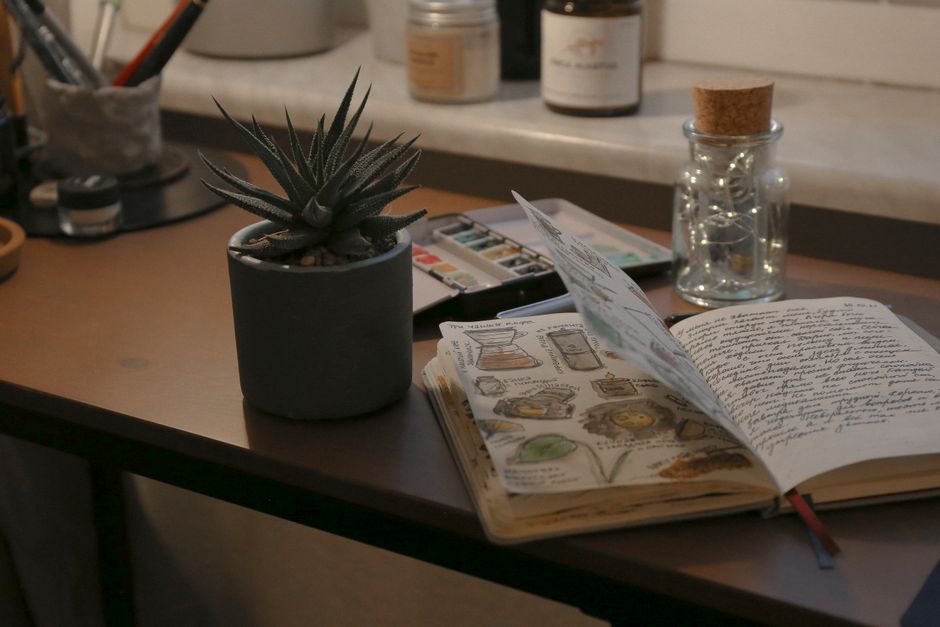
On a quiet morning, before the day’s chaos begins, the art desk corner is a familiar scene. A sketchbook lies open, its pages blank and inviting, while a pen rests just beside it, waiting for inspiration to strike. The aroma of freshly brewed coffee fills the air, but the moment is fragile; it’s all too easy to let the pen linger on the desk instead of making its mark on the page. As the sun rises, the mind races with thoughts of the day ahead, and that open page becomes a silent witness to intentions that often fade before they can be realized.
Setting up for a journaling session can feel more daunting than the act itself. The decision of which page to start on looms large, creating a mental block that can lead to inaction. With the sketchbook open, the next page isn’t chosen, and the pen remains untouched. This friction often stems from the pressure to create something profound, but it’s crucial to remember that even a single line can spark creativity. A simple prompt, jotted down in the moment, can transform the blankness into a canvas for ideas, but first, the pen must be lifted and put to paper.
The Morning Setup That Gets Overlooked
The kitchen counter is bathed in soft morning light, with a notebook and pen waiting patiently for attention. The coffee mug sits nearby, steam curling upward, creating a cozy atmosphere that invites creativity. Yet, as the clock ticks softly in the background, hesitation creeps in. The sketchbook lies open, but the next page remains unchosen, leaving the pen resting on the surface, an unfulfilled promise of expression.
In this quiet moment before breakfast, the pressure to produce something meaningful looms large. It’s easy to forget that the act of writing doesn’t require perfection; even a single line can break the silence. As thoughts swirl, consider placing the pen on the page and simply jotting down a word or two about the day ahead. This small action can shift the focus from the daunting blankness to the thrill of creation. The next step is clear: lift the pen and make that first mark, transforming the open page from a source of anxiety into a canvas for ideas.
The First Distraction That Breaks Focus
The moment the sketchbook lies open on the kitchen counter, a familiar temptation arises: the phone, buzzing quietly nearby. As the early morning light filters through the window, illuminating the blank page, the urge to check notifications can easily pull attention away from the task at hand. Just as the pen hovers over the page, the thought of a new message or email quickly becomes more enticing than the blank canvas waiting for creativity.
Once the phone is picked up, the flow of thoughts dissipates, replaced by a scrolling feed of updates. It’s easy to convince oneself that just a quick glance won’t hurt, but that brief distraction can stretch into several minutes, during which the initial motivation to write fades. Instead of writing even a single line, the focus shifts entirely, and the pen is left abandoned, resting on the edge of the notebook. The sketchbook, once a tool for expression, now feels like a reminder of what hasn’t been done.
To counter this, consider a small adjustment: before reaching for the phone, commit to writing just one line about the day ahead. This simple act not only fills the page but also creates a tangible connection to the journaling practice. By prioritizing that first mark, the pen transforms the open page from a source of distraction into a stepping stone for ideas. The next time the phone buzzes, the decision to stay focused becomes easier, as the sketchbook has already begun to fill with thoughts, making it less likely to be overlooked.
What Happens When the Pen Stays Still
In the quiet morning light filtering through the kitchen window, the art desk corner feels inviting yet daunting. The sketchbook lies open, but the pen remains untouched, perched precariously on the edge. This moment captures a common friction point: the setup feels larger than the actual practice, leading to avoidance. The intention to journal fades as the mind shifts from writing to checking social media, creating a gap that feels insurmountable.
- Before diving into the sketchbook, take a moment to set a timer for just five minutes. This small action reduces the pressure of a lengthy session and makes it easier to start.
- Place the coffee mug next to the sketchbook, creating a cozy atmosphere that invites creativity rather than intimidation. This simple addition can make the space feel more personal and less like a chore.
- As you sit down, resist the urge to check your phone first. Instead, commit to writing one line about your thoughts or plans for the day. This initial mark can transform the blank page into a canvas of ideas.
When the pen stays still, it signals a mental shift that can lead to procrastination. By implementing these small adjustments, the act of journaling can feel less like a daunting task and more like a natural part of your morning routine. The next time you sit down, remember that even one line can spark a flow of creativity.
A Simple Adjustment to Regain Momentum
A slightly different version of this problem appears in Creative Hobbies For Adults, where the sequence changes but the hidden drag feels familiar.
In the quiet early morning, the art desk corner can feel both inviting and intimidating. The sketchbook lies open, yet the next page remains untouched. To break through this barrier, setting a small timer for five minutes can transform the experience. This simple action reduces the pressure of a lengthy session, creating a manageable window to focus on a single prompt or thought without interruption. As you sip your coffee, the timer ticking softly in the background creates a sense of urgency that encourages commitment.
Before you start, choose a specific topic to write about. This could be a reflection on yesterday's creative session or an idea for a new craft project. By narrowing your focus, you eliminate the overwhelming feeling of a blank page. Place the notebook directly in front of you, ensuring it’s the first thing you see when the timer starts. This small adjustment in positioning signals your brain that it’s time to engage. If you find yourself reaching for your phone instead, take a deep breath and remind yourself that those five minutes are for you.
As the timer counts down, let your thoughts flow freely. The act of writing even a single line can create momentum, turning the blank page into a canvas of possibilities. If you notice your pen hesitating, remember that the goal is not perfection but expression. This shift from a daunting task to a simple, timed exercise can help re-establish a consistent journaling practice, making it a natural part of your morning routine rather than a chore.
How This Change Influences the Rest of the Day
If this pattern keeps repeating, Starting New Hobbies Slowly extends the idea without leaving the niche.
A few minutes spent journaling can transform how the rest of your day unfolds. Sitting at the kitchen counter with a steaming coffee mug beside you, the act of opening your sketchbook becomes a ritual that signals your brain to shift gears. As you place the pen on the first page, the quiet morning air fills with potential. This is your moment to gather thoughts before the day’s noise begins.
Writing just a single line can create a ripple effect. With each stroke, you might find your mood lifting, a small yet noticeable shift that prepares you for the tasks ahead. After jotting down a quick reflection, you may feel more centered, ready to tackle your to-do list with a renewed sense of purpose. The simple act of journaling not only clears mental clutter but also ignites your creativity, making you more inclined to approach your next DIY project or art practice with enthusiasm.
To reinforce this habit, consider placing your notebook in a visible spot on the kitchen counter, right next to your coffee maker. This way, when you pour your morning cup, you’ll be reminded to take that moment for yourself. If you find yourself reaching for your phone instead, take a breath and remember that those few minutes of reflection can set a positive tone for your entire day. This small adjustment can lead to a more productive and fulfilling experience, turning journaling into an essential part of your morning routine.
As you settle into your art desk corner, the quiet morning light filtering through the window, remember that leaving the pen on the open page can be a subtle yet powerful cue. If you find your sketchbook still closed, consider placing it next to your coffee mug, where it becomes part of your morning ritual. This small adjustment helps to bridge the gap between intention and action, making it easier to pick up the pen and write a line or two before the day begins to demand your attention.
When the next page feels like a daunting blank canvas, remind yourself that it doesn't need to be perfect. A simple reflection or a quick doodle can spark your creativity and set the tone for the rest of your day. If you catch yourself reaching for your phone instead, pause and take a breath. The act of journaling, even in brief moments, can transform your creative habits and keep the pen moving across the page.