Reclaiming Clarity: The Hidden Friction in Your Journaling Routine
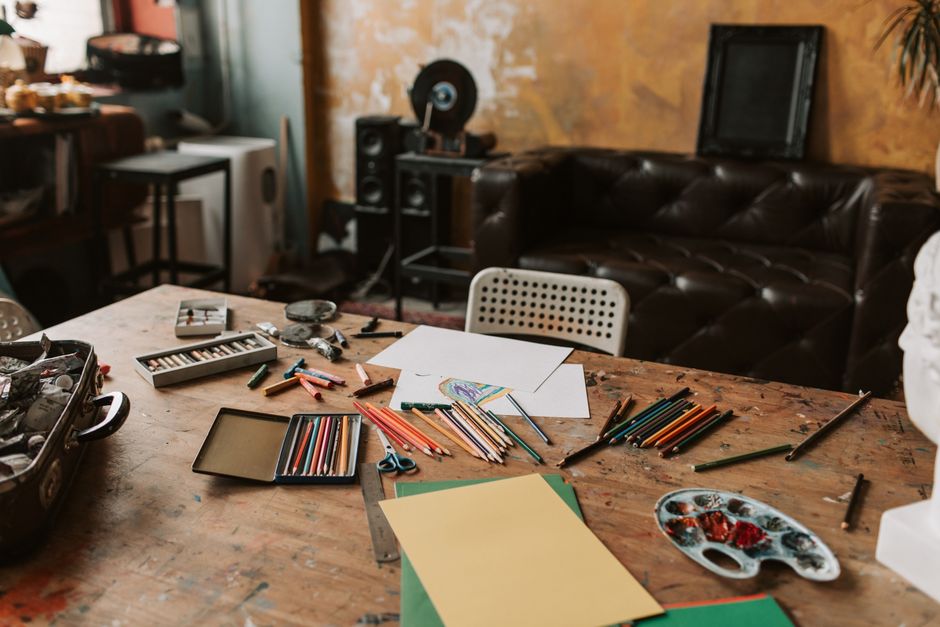
On a quiet early morning, just before breakfast, I find myself at the kitchen counter, a notebook open in front of me and a pen poised in hand. The mug of coffee sits nearby, its warmth radiating a comforting promise of focus. I take a moment to glance at the blank page, feeling the weight of the days that have passed since I last opened this sketchbook. The absence of recent reflections creates a gap, a reminder that my journaling practice has slipped into inconsistency. I can almost hear the day’s noise creeping in, threatening to drown out this brief moment of clarity.
As I prepare to write, I realize that I haven’t marked the next step from my previous session. The last page remains untouched, and the thoughts I intended to explore are lost in the ether. I reach for my small timer, intending to set a limit for this creative session, but the lack of a chosen next page feels like a barrier. Without a clear path forward, the act of journaling becomes a mood rather than a structured practice. I need to establish a visible cue for my next entry, something tangible to anchor my thoughts and keep the momentum alive.
The Morning Ritual That Fades Away
The kitchen counter is still, save for the faint clink of my coffee mug as I set it down beside my open sketchbook. The early morning light filters through the window, casting a gentle glow over the blank pages waiting for my thoughts. This quiet moment, just before breakfast, feels like the perfect opportunity to reconnect with my journaling practice. Yet, as I reach for my pen, I notice the last entry remains unfinished, a silent reminder of the days that slipped by without a word.
With the day's noise lurking just outside, I can feel the pressure to write something meaningful. I glance at the supply tray, where my favorite colored pencils lie scattered, waiting for a craft project to emerge. I realize I need to mark the next step from my previous session, something tangible to guide me forward. I flip through the pages, searching for a spot where I can pick up the thread of my thoughts, but the next page isn’t chosen. This small detail creates a barrier, making the act of journaling feel less like a habit and more like a mood that I can’t quite grasp.
Before I let the moment fade, I grab a sticky note from the tray and write down a quick reflection: “Explore the colors of the morning.” I place it on the page I’ve decided to use next, creating a visible cue for my next entry. This simple act of marking my intention feels like a small victory, a way to reclaim my routine amidst the chaos of the day. I take a deep breath, knowing that this small adjustment can help me carve out clarity in the creative chaos ahead.
When the Routine Becomes a Mood
The kitchen counter feels unusually quiet as I sit down with my sketchbook, a coffee mug steaming beside me. I glance at the open pages, and a wave of uncertainty washes over me. After a few missed days, the flow of my thoughts feels disrupted, and I’m unsure where to start. The last entry seems distant, and the next page isn’t chosen, leaving me with a blank slate that feels more intimidating than inviting. I can sense the temptation to reach for my phone instead of picking up my pen. Scrolling through notifications seems easier than confronting the empty space in front of me.
As I sit there, time slips by, and the morning light begins to shift. I realize that the absence of a clear marker from my last session has left me adrift. I need a tangible cue to guide my thoughts, so I grab a sticky note from the supply tray. I write down a simple reminder: “Sketch the morning light.” Placing it on the page I want to use next transforms the blankness into a prompt, a small anchor that reignites my intention to draw. This act of marking my next step feels like a lifeline, pulling me back into my creative practice amidst the distractions of the day.
If this pattern keeps repeating, Starting New Hobbies Slowly extends the idea without leaving the niche.
Why Clarity Diminishes Over Time
The kitchen counter is cluttered with yesterday's dishes and a few stray art supplies, creating a chaotic backdrop that competes for my attention. Each morning, I sit down with the intention of journaling, but the notifications from my phone buzz like persistent gnats, pulling my focus away from my sketchbook. I can feel the weight of those distractions pressing down as I try to gather my thoughts, but my mind wanders to the unread messages and missed calls. The clutter on the counter mirrors the clutter in my head, making it harder to settle into a creative session.
When I finally open my sketchbook, I’m met with an empty page that feels daunting. The last entry is a faded memory, and I realize that I didn’t mark down what I wanted to explore next. This missing step—choosing a page and jotting down a quick note—has become a hidden friction point in my routine. Without that small act of preparation, my good intentions dissolve into hesitation. I grab a pen and write down a simple prompt at the top of the next page: “Morning reflections.” It’s a tangible cue that helps me shift gears from the noise of the day to the quiet focus I need.
As I sip my coffee, I notice the timer I set for ten minutes is still sitting next to my mug, untouched. It’s a reminder that I often skip this crucial step, thinking I can dive right into my thoughts. But without that initial structure, the journaling practice loses its clarity. The act of setting a timer not only creates a boundary for my creative session but also helps me reclaim my focus from the distractions around me. In this moment, I realize that my journaling is not just about writing; it’s about creating a space where I can engage with my thoughts amidst the chaos.
One Simple Adjustment to Reset Your Practice
The early morning light spills softly across the kitchen counter, illuminating my sketchbook and the pen resting beside it. I’ve missed a few days of journaling, and the blank pages stare back at me, a reminder of my intention. The friction of restarting feels heavy, especially when I know I haven’t marked the next step in my creative journey. Before I dive into the chaos of the day, I grab my small timer and set it for five minutes. This simple act creates a boundary, a dedicated slot for my thoughts to flow without interruption.
As the timer ticks down, I pick up my sketchbook and flip through the pages, searching for the next blank canvas. This time, I consciously choose the next page before I finish my session. It’s a small but crucial adjustment that eliminates the hesitation I often feel when I sit down to write. I jot down a quick note at the top: “Morning reflections.” This not only signals my intention but also provides a tangible starting point for when I return. The act of preparing the next page shifts my mindset from uncertainty to readiness.
With the timer still counting down, I take a moment to breathe and sip my coffee, allowing the quiet to settle around me. I realize that this small sequence change—setting a timer and choosing my next page—transforms my journaling from a mood-driven activity into a structured practice. It’s not just about the act of writing; it’s about creating an environment that supports my creativity, even amidst the noise of daily life.
How the Adjustment Influences Your Day
A slightly different version of this problem appears in Creative Hobbies For Adults, where the sequence changes but the hidden drag feels familiar.
Morning light spills across the kitchen counter as I settle into my routine, sketchbook open beside my coffee mug. The quiet of the early hours feels like a blank canvas, yet I can’t shake the feeling of disarray from missing a few journaling days. I glance at the supply tray, where my favorite pens lie scattered, and realize that the simple act of choosing the next page before I start has already shifted my mindset. It’s a small adjustment, but it grounds me, allowing me to focus on what I want to express today.
With my pen poised, I jot down a reminder at the top of the page: “Next creative session: explore color blending.” This note serves as a tangible anchor for my future self, ensuring that I won’t lose momentum again. The act of writing this down feels like a promise to return to my craft, a commitment to keep the creative flow alive. As I take a sip of coffee, the warmth spreads through me, and I feel a sense of clarity begin to settle in.
After a few minutes of sketching, I notice how this focused approach allows my thoughts to flow more freely. Each line I draw feels deliberate, and I’m no longer distracted by the uncertainty of what to do next. My creative session becomes a productive part of my day rather than a chore I dread. This adjustment not only enhances my journaling practice but also sets a positive tone for the rest of my morning. I realize that by taking these small, intentional steps, I’m not just filling pages; I’m cultivating a space where my creativity can thrive amidst the chaos of everyday life.
Returning to my sketchbook after a few missed days often feels daunting, especially when the next page isn’t chosen. I sit at the quiet kitchen counter, the early morning light filtering through the window, and I realize that the simple act of opening my sketchbook can set the tone for the day. I take a moment to check the supply tray for my favorite pen and a small timer, ready to carve out a few focused minutes for my thoughts to flow. Without this initial step, the uncertainty of where to begin can easily derail my creative session.
As I write a short reflection before breakfast, I notice how this intentional act helps me reconnect with my creative habits. I jot down a note for my next session, reminding myself to explore a new drawing technique. This small adjustment not only clears my mind but also establishes a clear path forward, making it easier to dive back into my art practice next time. By anchoring my thoughts to tangible actions, I can keep the momentum alive, ensuring that journaling for clarity doesn’t slip away into a mood but remains a repeatable part of my routine.


