Journaling for Clarity: A Small Change to Make It Work
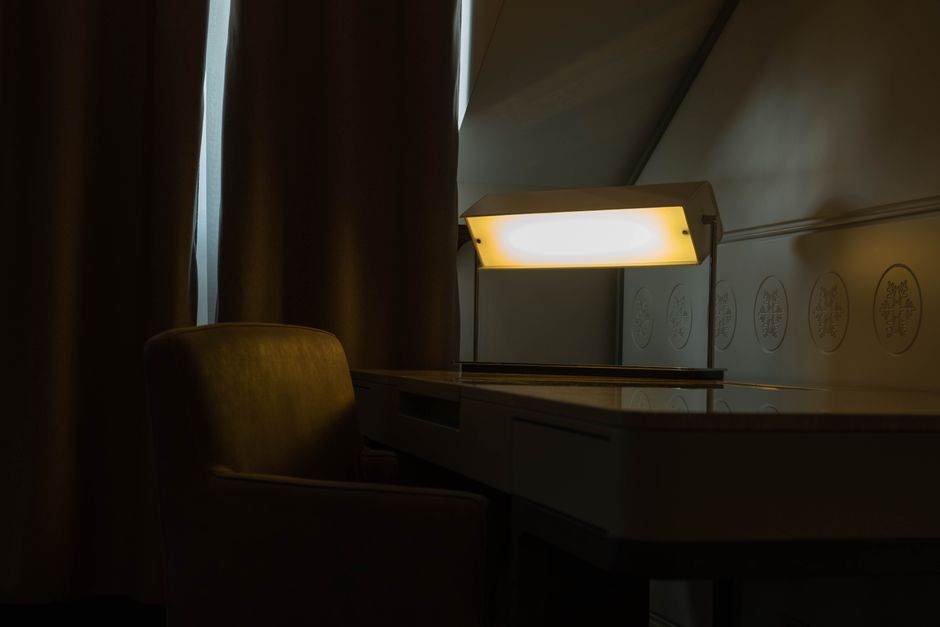
Early morning light filters through the kitchen window as I pour my first cup of coffee. The quiet is almost tangible, a perfect backdrop for the moment I’ve been longing for: opening my sketchbook again after a few missed days. My art desk corner, cluttered with supplies zipped away in a bag, feels like a barrier rather than an invitation. Each time I glance at the notebook, I feel the weight of the setup looming larger than the actual act of journaling. The thought of digging through the bag to find my favorite pen adds to the hesitation, making it easy to skip this creative session once more.
As I sip my coffee, I realize that the friction lies in the setup itself. Instead of keeping my supplies tucked away, I could lay them out the night before, ready to use. This small adjustment could transform my morning routine, turning it from a daunting task into a simple pleasure. By placing my notebook and pen directly on the kitchen counter, I would eliminate the extra step of rummaging through the bag. Just that one note for my next session, jotted down in the margins, could ignite the spark I need to dive back into my creative practice.
The Morning Setup That Gets Overlooked
The kitchen counter is still cool in the early morning light, a quiet space waiting for a burst of creativity. My notebook sits there, open to a fresh page, next to a pen that’s been resting in a small coffee mug. This setup feels inviting, yet I often overlook it, letting the moment slip away while I prepare breakfast. The act of pouring my first cup of coffee becomes the signal to finally engage with my journaling practice.
After filling my mug, I take a moment to breathe in the rich aroma before I reach for the notebook. Opening it right after pouring the coffee creates a natural flow; it’s a gentle reminder that this is my time. I can jot down a quick reflection or even a simple doodle, allowing the quiet of the morning to seep into my thoughts. The friction I used to feel—thinking I needed to gather supplies or set up a whole creative session—dissolves when everything is laid out and ready to go.
One small adjustment makes a difference: I decide to keep my notebook and pen on the counter every night, so I’m not digging through a bag in the morning. This way, I can easily write down a note for my next session, ensuring I don’t lose the thread of my thoughts. The act of simply placing these items within reach shifts the entire experience, transforming it from a chore into a cherished moment before the day gets louder.
The Drift That Disrupts Focus
As I settle into my art desk corner with my sketchbook, the early morning light filters through the window, casting a warm glow over my supplies. However, the moment I reach for my pen, my phone buzzes with notifications. Each ping pulls my attention away, making it easy to forget the calm I sought. The setup feels bigger than the actual practice, and I realize I hadn’t prepared my space the night before. My sketchbook remains tucked away, and my favorite pen sits in a bag instead of being readily available. This small oversight turns a simple act of journaling into a series of distractions.
To counter this drift, I decide to create a more inviting setup. I take a moment to place my sketchbook and pen on the kitchen counter before bed, right next to my coffee mug. This way, when I pour my morning coffee, I can immediately open the sketchbook and jot down a thought or sketch without the temptation of my phone. The friction of needing to dig through a bag for supplies is eliminated, allowing me to focus on my creative session. By keeping my materials visible and accessible, I transform my journaling practice from a potential chore into a seamless part of my morning routine, yet I still find myself wrestling with the urge to check my phone. The balance remains delicate, but this small adjustment in my setup makes a noticeable difference in my focus. What Happens When Setup Fails On a quiet early morning, the kitchen counter becomes the stage for my journaling attempt. I pour a steaming cup of coffee, but the moment I sit down, I realize my sketchbook is still zipped away in a bag across the room. This small lapse in setup transforms my creative session into a struggle. Instead of diving into my thoughts, I find myself distracted by the distance, contemplating whether to retrieve the supplies or just skip the journaling altogether.
As I sit there, the minutes tick by, and I feel the weight of the day creeping in. I glance at my phone, and suddenly, checking notifications feels more appealing than sketching. The initial excitement of journaling fades, replaced by a sense of obligation. My session morphs into a chore rather than a creative outlet. I realize that each moment I hesitate to open my sketchbook only adds to the frustration, making it harder to focus on what I wanted to express.
This friction leads to a second consequence: I end up writing a short reflection that feels rushed and uninspired. Instead of capturing my thoughts, I jot down a few lines before the day gets louder, leaving me unsatisfied. I make a mental note to place my sketchbook and pen within arm's reach next time, hoping to eliminate the distractions that turned a simple act of journaling into a battle against inertia.
This same friction shows up again in Starting New Hobbies Slowly, especially when the day tightens unexpectedly.
A Simple Repair for the Morning Routine
The art desk corner feels cluttered with the remnants of past creative sessions, and the sketchbook lies closed, tucked away in a bag. Each morning, I pour my coffee, but the thought of unzipping that bag to retrieve my supplies feels like a chore. Instead of diving into my journaling, I find myself hesitating, caught between the desire to create and the friction of setup. To break this cycle, I decide to keep my notebook open next to my coffee mug, ready for immediate access.
Before I take my first sip, I set a small timer for five minutes. This simple action transforms my approach; it feels less daunting to commit to just five minutes of writing or sketching. I remind myself that this is about reconnecting with my creative habit, not perfection. With the timer ticking softly in the background, I feel a sense of urgency that propels me to put pen to paper. I jot down a few quick thoughts about what I want to explore today, keeping the prompts short and manageable.
By eliminating the barrier of having to unzip my bag, I’ve made the act of journaling feel more fluid. The notebook is now a constant presence on my kitchen counter, a visual reminder of the creativity waiting to unfold. Next time, I’ll also note down a quick idea for my next session before I close the notebook, ensuring that I’m not starting from scratch each morning. This small adjustment makes the morning routine feel less like a hurdle and more like an invitation to create.
The Part Worth Repeating Tomorrow
If this pattern keeps repeating, Creative Hobbies For Adults extends the idea without leaving the niche.
After a few missed days, the sight of my sketchbook on the kitchen counter is both reassuring and daunting. The quiet early morning light spills across the table, illuminating the blank pages that seem to beckon me. I pour my coffee, feeling the warmth of the mug in my hands, and that simple act serves as my cue to open the sketchbook. I flip it open, and the familiar scent of paper fills the air, grounding me in the moment. This is where I reconnect with my creative habit.
Instead of staring at the blank page, I decide to draw something small—perhaps a quick sketch of the coffee mug itself or a nearby plant. By focusing on a simple object, I lower the pressure of perfection that often comes with starting a new session. I set a small timer for five minutes, knowing that this limited time frame makes it easier to commit. The act of drawing becomes a fluid motion, and I find myself enjoying the process rather than worrying about the outcome.
Before I close the sketchbook, I jot down a quick note about what I want to explore next time—maybe a more detailed drawing of the plant or experimenting with colors. This small step ensures that I’m not starting from scratch each morning, and it creates a tangible link between sessions. By establishing this pattern, I’m not just journaling; I’m building a routine that feels achievable and inviting. Each morning becomes a chance to repeat this simple act, making it a natural part of my day rather than a chore to check off. Returning to the art desk after a few missed days can feel daunting, especially when the setup seems more complex than the act of journaling itself. To ease back into the rhythm, I focus on the simple act of opening my sketchbook right after pouring my morning coffee. This small action acts as a trigger, prompting me to engage with my creative space without overwhelming expectations. The supplies, still zipped in their bag, remind me that I can keep it straightforward—no elaborate setup needed.
As I settle into the quiet of the early morning, I take a moment to write down a short reflection or a prompt in my notebook. This note serves as a bridge to my next session, ensuring I have a clear starting point for tomorrow. By making these minor adjustments, I transform the journaling process into a manageable and inviting part of my morning routine, allowing creativity to flow naturally without the friction of setup weighing me down.


