A Less Generic Way to Think About Creative Habits
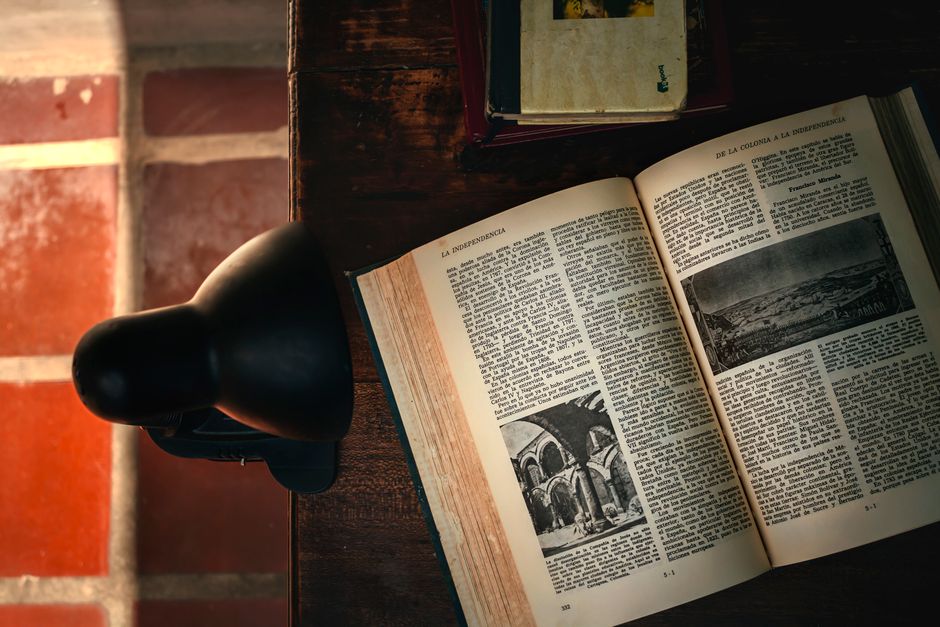
Early mornings often bring a sense of quiet before the day’s chaos takes over. Sitting at the kitchen counter, I reach for my sketchbook, its familiar cover worn from countless creative sessions. The soft glow of the lamp casts a warm light over my workspace, illuminating the scattered supplies nearby—pencils, a notebook, and a half-full coffee mug. Yet, as I prepare to dive into journaling, I realize that my pencil needs sharpening before I can even start. This small oversight, a mere moment of neglect, can easily derail my intention to create.
With the pencil still unsharpened, I glance at the clock, noting that time is slipping away. The quiet of the morning is fleeting, and I know that if I don’t act quickly, I might lose the momentum I’ve built. The supplies are all within reach, but they aren’t ready for action. This friction—simple yet significant—can halt the flow of my thoughts and ideas. A quick adjustment, like sharpening that pencil and laying out my tools in an accessible way, could make all the difference in reclaiming my creative focus.
The Morning Setup That Gets Overlooked
The kitchen counter is dimly lit by a lamp, casting a soft glow over my scattered supplies. The notebook lies open, its pages blank and waiting, while my coffee mug steams beside it, filling the air with a rich aroma. I sit there, pen in hand, trying to gather my thoughts before the day begins. Yet, as I prepare to write, I realize that my pencil is dull and needs sharpening. This small detail, often overlooked, can create a frustrating barrier to starting my journaling session.
With the morning quiet slipping away, I take a moment to address the friction. I reach for the sharpener tucked in the corner of the counter and twist the pencil until it’s ready to go. This simple action—sharpening the pencil—transforms my setup from a mere collection of objects into a functional workspace. I can feel the momentum returning as I finally open the sketchbook and let my thoughts flow onto the page. The supplies are now not just nearby but also prepared, allowing me to dive into my creative session without further delay. It’s a reminder that sometimes, the smallest adjustments can clear the path for clarity and inspiration. The First Friction Point: Supplies Not Ready As I settle at the kitchen counter, the warm glow of the lamp casts a cozy light over my art desk, where my sketchbook lies open, inviting me to dive back into my journaling practice. The quiet of the early morning is perfect for reflection, yet as I reach for my favorite pencil, I notice it’s dull. This simple oversight can derail my entire creative session.
Surrounded by a jumble of supplies—markers, erasers, and a half-finished craft project—I realize that the sharpener is buried under a pile of materials. This clutter not only makes it hard to find what I need but also adds to my frustration. Instead of flowing into my thoughts, I’m now stuck in a moment of indecision, unsure whether to dig through the mess or simply abandon the session altogether.
With the clock ticking and breakfast looming, I decide to tackle the chaos. I take a deep breath and start to clear a small space on the counter, pushing aside the markers and the remnants of yesterday's project. Finally, I spot the sharpener and pull it out, twisting the pencil until it’s ready for action. This small sequence—finding the sharpener, clearing the clutter, and sharpening the pencil—transforms my workspace from a source of frustration into a functional setup.
Now, with my supplies prepared and the pencil sharp, I can finally open the sketchbook and let my creativity flow, turning the morning’s quiet into a productive journaling session. It’s a reminder that a few moments spent organizing can prevent the friction that halts inspiration.
What to Check Before You Start Drawing
Morning light spills across the kitchen counter, illuminating the scattered supplies from last night’s creative session. Before diving into journaling, I pause to assess what’s ready and what’s not. A few minutes spent organizing can save me from the all-too-common frustration of being unprepared.
- Sharpen the pencil: I reach for the pencil case and find a dull pencil. Grabbing the sharpener, I twist it until the tip is fine and ready for the paper. A sharp pencil is essential; it makes the first mark feel effortless.
- Arrange the sketchbook: I place my sketchbook in front of me, flipping it open to a blank page. Next, I pull out colored pencils and markers, laying them within arm’s reach. Having everything visible reduces the temptation to get distracted.
- Set a timer: I grab a small kitchen timer and set it for 20 minutes. This creates a focused window for journaling, pushing me to commit to the session without the pressure of an endless stretch of time.
Despite my good intentions, I often overlook these small checks, which can lead to a messy start. If I skip sharpening the pencil or don’t have my sketchbook ready, I find myself wasting precious moments searching instead of creating. A few moments of preparation can mean the difference between a productive session and a frustrating one.
Adjusting the Sequence: A Simple Fix
A slightly different version of this problem appears in Creative Hobbies For Adults, where the sequence changes but the hidden drag feels familiar.
The first light of morning spills across my kitchen counter, illuminating the scattered remnants of yesterday’s creative session. Before I even sit down, I take a moment to clear the clutter from my workspace. I push aside empty coffee mugs and stray papers, creating a clean surface that feels inviting. This small act of tidying up lays the groundwork for clarity, allowing my mind to focus on what’s ahead instead of the distractions of a messy environment.
Next, I reach for my pencil, noticing it’s dull and needs sharpening. This is a crucial step I often forget, but it’s non-negotiable. I grab my sharpener and take a moment to prepare it, feeling the resistance of the wood as I twist it until the tip is fine and ready for the paper. With the pencil now sharp, I open my sketchbook, flipping to a blank page that awaits my thoughts and drawings. This sequence—clearing the space, sharpening the pencil, and laying out the sketchbook—becomes a ritual that signals my brain it’s time to create.
As I settle in, I make a point to lay out my colored pencils within arm’s reach, ensuring that everything I need is visible. This setup not only minimizes distractions but also eliminates the friction of searching for supplies mid-session. The simple act of preparing my tools transforms the experience from a chaotic start to a smooth flow, making it easier to dive into my journaling practice without hesitation.
The Impact on the Rest of the Day
If this pattern keeps repeating, Starting New Hobbies Slowly extends the idea without leaving the niche.
As I sit at my lamp-lit kitchen counter, I notice how the quiet early morning feels like a blank canvas, ready for my thoughts. With my supplies now organized, I find that transitioning into my drawing feels seamless. The notebook is open, the pen is poised, and my sharpened pencil rests nearby, eliminating the usual friction of searching for tools. This simple act of preparation allows me to dive into my journaling practice without hesitation.
Journaling not only clears my mind but also sets a positive tone for the rest of the day. After writing a few reflections, I can feel the stress from yesterday's unfinished projects start to fade. The act of capturing my thoughts transforms into a creative session where ideas flow freely. I can see how this clarity translates into focus, making it easier to tackle the tasks ahead. As I finish my entry, I glance at the clock, realizing that I’ve carved out a productive morning before breakfast, allowing me to approach the day with a sense of accomplishment.
This preparation ritual—laying out my supplies, sharpening my pencil, and opening my sketchbook—creates a small but significant shift in my daily flow. The clarity gained from these moments not only reduces stress but also enhances my ability to engage with the day’s challenges, making it easier to transition into my next creative hobby or craft project.
As I sit at my lamp-lit work surface, I notice the pencil lying next to my sketchbook, dull and unready. This small detail, often overlooked, can halt my creative flow before it even starts. Taking a moment to sharpen the pencil becomes a crucial first step, transforming my workspace into a welcoming environment for ideas to flourish. With the supplies finally in order, I can open my sketchbook and begin my journaling session, ready to capture thoughts and sketches alike.
In this quiet early morning, before the day gets louder, I realize that the simple act of preparing my tools not only sets the stage for creativity but also helps me overcome the friction that often stifles my journaling practice. The next time you find yourself facing a creative block, check that your supplies are ready and waiting. A few moments spent organizing can pave the way for a more fulfilling creative session.


