A Better Order for Journaling For Clarity When Time Gets Tight
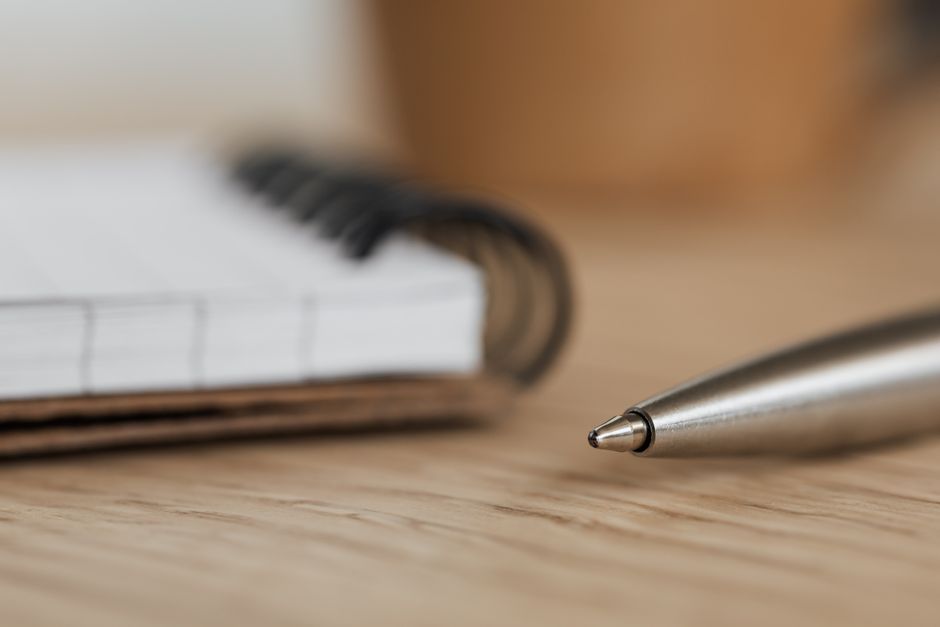
On a quiet early morning, before the kitchen counter fills with the bustle of breakfast, the notebook sits open beside a steaming coffee mug. The pen rests on the page, ready to capture thoughts, yet the moment feels heavy with unmarked steps. The supplies, neatly zipped in a bag, remain untouched, and the urge to reach for the phone lingers just out of sight. Each day, this ritual promises clarity but often leads to frustration when the next step in the creative session isn’t marked, leaving the mind wandering instead of focusing on the page.
As the pen hovers over the blank space, the intention to write a short reflection clashes with the reality of setup drag. Without a clear indication of where to begin, the process stalls. The notebook opens right after pouring coffee, yet the absence of a noted next step creates a barrier to diving into the art practice. This friction point is all too familiar: the supplies are prepped, the environment is quiet, but without a simple prompt or a marked direction, the journaling experience becomes a missed opportunity for clarity.
The First Step That Gets Skipped
Morning light filters through the kitchen window, illuminating the open notebook on the table. A pen rests beside it, waiting for action. The coffee mug, still warm, sits close by, but the moment feels heavy with expectations. People often sit down with a notebook and pen, thinking clarity will flow easily, yet distractions loom large. Notifications on the phone buzz softly, pulling attention away before any writing begins.
It seems reasonable at first to dive straight into journaling, especially when supplies are neatly arranged. However, without a clear starting point, the mind drifts. The urge to draw or jot down thoughts clashes with the reality of unmarked intentions. The pen hovers over the page, and the blank space feels daunting. This is where many get stuck: they forget to mark the next step from their previous session, leaving them unsure of where to begin.
To counter this, consider a simple adjustment: before closing the notebook at the end of each creative session, take a moment to write a one-line note about what to explore next. This small act creates a bridge to the next session and reduces setup drag. When the notebook opens again, the mind can focus immediately on the marked direction instead of wandering. Without this simple prompt, the journaling experience risks becoming a missed opportunity for creative clarity.
Where the Default Method Falls Short
This same friction shows up again in Creative Hobbies For Adults, especially when the day tightens unexpectedly.
In the quiet early morning, after pouring a steaming cup of coffee, the notebook remains closed on the kitchen counter. The pen, resting just out of reach, feels like a barrier to creativity. The initial excitement of journaling quickly fades as distractions creep in. Instead of diving into thoughts or sketches, the mind wanders to the phone, checking notifications that pull attention away from the blank page. This moment illustrates a common friction point: without a clear next step marked from the previous session, the journaling experience becomes burdensome.
As the phone buzzes with updates, the intention to write dissipates. The next step—marking what to write—often gets lost in the shuffle of these distractions. Leaving the pen on the open page can serve as a subtle reminder to return, yet without a concrete note indicating what to explore, the motivation to pick it up wanes. A simple adjustment can make a difference: before closing the notebook after each session, jot down a one-line note about the next idea to pursue. This small act transforms the journaling process, creating a mental bridge that eases the transition into the next creative session.
When the notebook opens again, the mind can immediately focus on the marked direction instead of wandering aimlessly. However, if the note is forgotten or skipped, the weak point under pressure becomes evident. The excitement of creativity is overshadowed by uncertainty, making it harder to engage with the journaling practice. The act of marking the next step is not just a minor detail; it is the key to maintaining momentum in a routine that can easily stall.
What to Check Before the Phone Takes Over
A slightly different version of this problem appears in Starting New Hobbies Slowly, where the sequence changes but the hidden drag feels familiar.
As the quiet morning unfolds, the kitchen counter becomes a creative space, yet the supplies remain zipped in a bag, creating a barrier to starting a journaling session. The pen rests on the open page, a silent invitation to write, but often overlooked as distractions creep in. Without a clear next step marked, the transition from reflection to action becomes a missed opportunity for clarity.
- Leaving the pen on the page may prompt you to write, but without a concrete note about what to explore next, motivation can slip away.
- Having supplies zipped away makes it harder to dive into a creative session, as the extra effort to unpack can deter you from starting.
- While this method simplifies cleanup, it sacrifices the immediate accessibility that can spark creativity in the moment.
Before the day gets louder, take a moment to jot down a single line about your next idea right on the page. This small act not only sets the stage for your next session but also establishes a mental connection that can ease the transition from one creative moment to the next. Yet, if this note is skipped, the friction becomes palpable; the excitement of journaling gives way to uncertainty, making it harder to engage when the time comes to pick up the pen again.
A Better Order for the Same Five Minutes
Pouring a hot cup of coffee in the quiet early morning can set a calming tone for the day. As the steam rises, open your notebook right after pouring, letting the warmth of the mug seep into your routine. This small act primes your mind for creativity, especially when you set a timer for five minutes. The ticking clock creates a sense of urgency that can push you to jot down thoughts before the day’s noise intrudes.
At the end of each creative session, take a moment to mark the next step directly in your notebook. Simply writing a line about what you want to explore next—be it a sketch idea or a reflection on a recent DIY project—ensures continuity. This note becomes a bridge to your next session, reducing the friction of starting fresh each time. Without this step, you risk losing the thread of your creative thoughts, making it harder to dive back in later.
Before reaching for your phone, pause and write that single line. It can be tempting to scroll through notifications, but that brief moment of reflection can solidify your focus. This simple adjustment, done consistently, transforms those five minutes into a powerful tool for clarity in your creative practice. The supplies may stay zipped in a bag, but with this new order, your mind is ready to unpack ideas instead.
As the morning light filters through the kitchen window, take a moment to reflect on your last creative session. If you find your supplies still zipped in a bag, it’s a sign that the next step was never marked. This small oversight can lead to a frustrating start next time you sit down to journal. Instead, make it a habit to leave your pen on the open page of your notebook, ready for that brief note about what to tackle next. This simple act not only preserves your creative flow but also transforms your workspace into a welcoming environment for new ideas.
Before the day's distractions take hold, write down one line that captures your next thought or project. Whether it's a sketch concept or an idea for a DIY project, this note acts as a lifeline to your creativity. By doing this consistently, you create a seamless transition into your next journaling session, making it easier to dive back into your practice without losing momentum.