What a Messy Morning Reveals About Journaling for Clarity
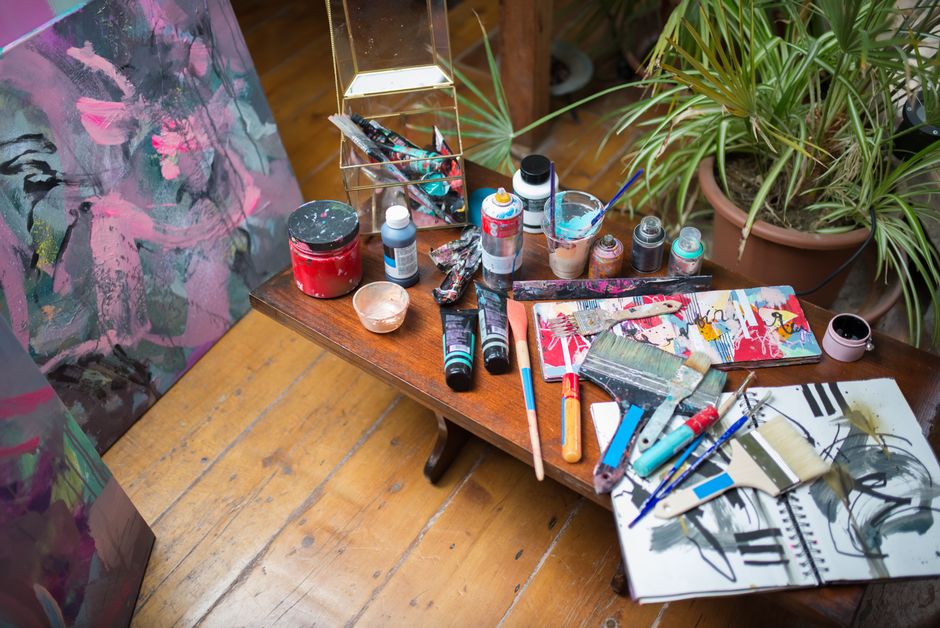
On a quiet kitchen counter, the early morning light filters through the window, casting soft shadows over a cluttered art desk corner. A notebook lies open, its pages inviting yet blank, while a pen rests precariously on the edge, one slip away from rolling onto the floor. Nearby, a coffee mug steams gently, the aroma filling the air as I prepare to capture my thoughts before the day’s noise begins. This moment feels ripe for reflection, yet a small detail nags at me: my journaling supplies are nearby but not ready. The sketchbook, filled with half-finished ideas, stays zipped in a bag, making it a chore to access when inspiration strikes.
This morning ritual often slips into chaos when I forget to set up my space the night before. The act of unzipping the bag and rummaging for a pencil disrupts the flow, pulling me away from the clarity I seek. Leaving the pen on the open page is a small but crucial step, a reminder that I’m ready to dive into my thoughts. Without this simple check, I find myself scrambling for tools instead of focusing on the messy, beautiful process of journaling. Each missed step reveals a friction point, a lesson in how preparation can shape my creative habits and ultimately, my clarity.
The Morning Setup That Went Awry
The kitchen counter greets me with a jumble of breakfast dishes and a half-full coffee mug, remnants of yesterday's chaos. My notebook lies open, but the pen sits just out of reach, tucked away in a drawer. This clutter, both physical and mental, makes it hard to dive into my morning journaling session. I glance at the clock—just before 7 AM—when the world outside is still quiet, and I can almost hear my thoughts waiting to be captured.
In this moment, I realize that leaving the pen on the open page is more than just a convenience; it’s a signal to my brain that I’m ready to write. Instead, I find myself walking across the room to retrieve it, breaking the flow of inspiration. The act of unzipping the bag to pull out my sketchbook feels like an unnecessary hurdle. If I had taken just five minutes the night before to set everything out—placing the notebook, pen, and even a small timer on the counter—I could have created a ready-to-start setup. This small adjustment could transform my journaling from a rushed task into a moment of clarity, allowing me to focus on the ideas swirling in my mind rather than the supplies I forgot to prep.
The Forgotten Pen and Its Impact
This same friction shows up again in Creative Hobbies For Adults, especially when the day tightens unexpectedly.
On a quiet morning, as I settle at my kitchen counter with a steaming coffee mug, I realize my pen is still resting on the open page of my notebook. This small oversight, though seemingly trivial, shifts my focus from the clarity I seek in my journaling to a wave of irritation. I find myself distracted, having to get up and grab the pen from across the room, which breaks my flow. The moment I sit down with my thoughts, I’m already derailed by a simple, yet impactful, detail.
Had I taken just a few minutes the night before to prepare my journaling space, I could have avoided this frustration altogether. I could have placed the pen right beside the notebook, along with a small timer to keep my writing session focused. Instead, I’m left fumbling through a zipped bag to retrieve my sketchbook, which feels like an unnecessary hurdle. This small act of preparation could transform my journaling experience from a hurried task into a moment of genuine reflection, allowing me to dive straight into my thoughts without the distraction of missed checks.
What Happens When the Flow Breaks
A slightly different version of this problem appears in Starting New Hobbies Slowly, where the sequence changes but the hidden drag feels familiar.
The moment I sit down at my kitchen counter, ready to journal before the day begins, a sense of anticipation fills the air. My notebook lies open, waiting for my thoughts, but I can’t shake the feeling that I’ve overlooked something crucial. My pen, which I usually keep beside the notebook, is nowhere to be found. Instead, it’s buried deep in a zipped bag across the room, a simple oversight that transforms my quiet morning into a frantic search.
As I glance at the blank page, the pressure of time starts to creep in. Notifications from my phone buzz in the background, pulling my attention away from the reflective space I aimed to create. Each vibration feels like a reminder of the tasks waiting for me, further disrupting my focus. I finally retrieve the pen, but the moment I return to my seat, I realize I’ve lost the initial flow of my thoughts. Instead of diving into my reflections, I’m left staring at an empty page, feeling the weight of annoyance settle in.
This disruption doesn’t just affect my journaling session; it shifts my entire morning routine. I had intended to capture my thoughts clearly, but now I’m battling against the clock and my own frustration. The clarity I sought slips away, replaced by a sense of urgency and distraction. A simple act of preparation—placing my pen beside the notebook the night before—could have kept my morning quiet and focused, allowing me to start my day with intention rather than irritation.
Quick Fix: Ready-to-Start Supplies
Morning journaling can quickly devolve into a frustrating scramble if supplies aren’t prepped. On my kitchen counter, my notebook sits beside a coffee mug, but the pen is zipped away in a bag across the room. This simple oversight transforms my quiet early morning into a chaotic search, pulling me away from the reflective space I crave. If I had set my pen on the open page of my notebook the night before, I could have settled into my thoughts instead of chasing after supplies.
To streamline this process, keep a small bag containing your notebook and pen zipped together for easy access. This way, when you sit down to write, everything is within reach. Additionally, set a timer for five minutes before you start your journaling session. This encourages focused writing while the morning is still quiet, allowing your thoughts to flow without interruption. If you find yourself distracted, take a moment to check that your supplies are ready to go. This small act of preparation can prevent the frustration of a scattered morning.
By establishing this ready-to-start setup, you create a smoother transition into your creative session. The difference is palpable; instead of feeling rushed and disorganized, you can embrace the calm and clarity that journaling offers. The next time you sit down, everything will be in its place, ready for your reflections to take shape.
Revisiting the Setup: A Better Order for Clarity
Each night, as the kitchen light dims, I take a moment to glance at my art desk corner. The notebook sits open, but the pen often remains tucked away in a bag, creating an unnecessary barrier to my morning journaling. By checking that my supplies are ready before bed, I can eliminate that friction. This simple act—placing the pen on the open page—transforms my early morning routine.
When I remember to do this, I wake up to a space that feels inviting rather than chaotic. The quiet of the early morning becomes a canvas for my thoughts. I pour a cup of coffee and sit down, knowing that everything I need is within reach. I’ve even started photographing the current state of my art desk after setting it up each night. This visual reminder helps maintain the setup and encourages consistency. It’s a small but effective way to keep my creative habit alive amidst life’s distractions.
However, if I skip this nightly check, I often find myself rummaging through the bag for my pen, losing precious moments of clarity. The difference is stark: a prepared space fosters a smooth transition into my journaling session, while a disorganized one invites frustration. Keeping this routine allows me to embrace the calm of the morning and dive straight into my reflections, making each journaling moment more impactful.
On mornings when I forget to lay out my supplies, the friction becomes evident. Without my pen ready on the open page of my notebook, I waste time searching through the bag for it. This simple oversight disrupts my flow and diminishes the clarity I seek in my journaling practice. Instead of diving into my thoughts, I’m left grappling with the chaos of disorganization, which pulls me away from the calm I crave.
To counter this, I’ve made it a habit to place my pen alongside my notebook and set a small timer for five minutes before I start my journaling. This quick check ensures everything is in its place and allows me to transition smoothly into my creative session. A little preparation goes a long way in making those early moments of reflection more fruitful.