Navigating Clarity in Your Journaling Routine
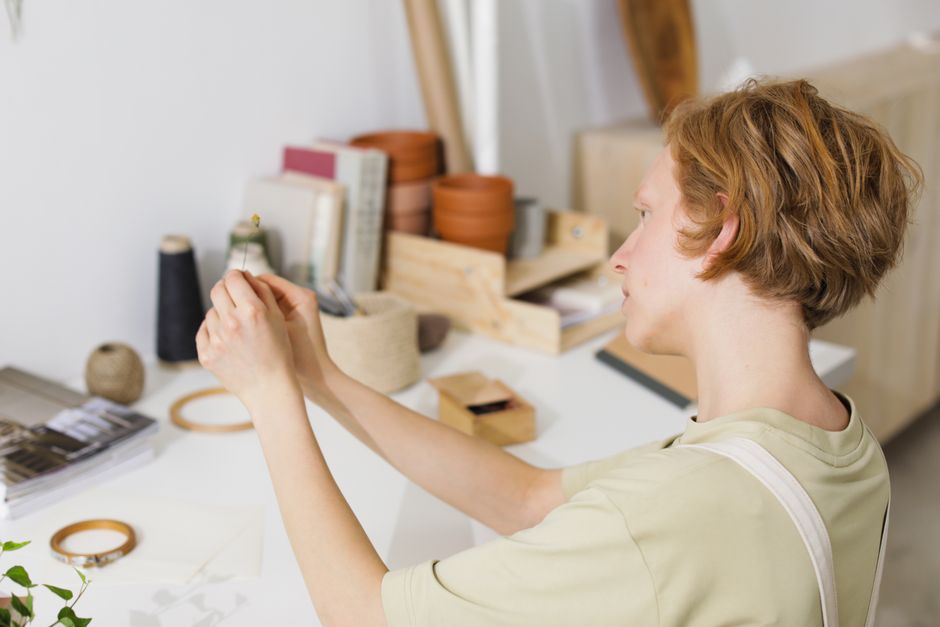
It’s early morning, and the kitchen counter is still quiet, save for the soft sound of a coffee mug being set down beside an open sketchbook. The pages are blank, yet the weight of expectation hangs in the air. A pen rests on the last written line, a reminder of the last creative session that feels like a distant memory. Picking up the pen, the urge to fill the next page clashes with the uncertainty of where to begin. The setup feels bigger than the actual practice, and the first visible step—choosing a prompt or a subject—remains frustratingly elusive.
As the day approaches, the pressure to create something meaningful looms larger. Without a clear starting point, the journaling routine risks unraveling. The sketchbook sits open, but the next page isn’t chosen, leaving the mind to wander instead of focus. This moment of hesitation can spiral into missed days, making it harder to return. A simple action, like photographing the current state of the sketchbook, could serve as a tangible checkpoint, anchoring the next creative habit. A note for the next session could also help, but first, that initial step needs clarity to avoid the friction that often derails the process.
The Morning Setup That Gets Overwhelming
The kitchen counter is cluttered with half-drunk coffee mugs and scattered papers from last night's dinner. The notebook lies open, its blank first page staring back, feeling more like a wall than an invitation. It’s early morning, the quiet before the day gets louder, and the urge to capture a thought clashes with the daunting emptiness of that page. The pen rests on the open page, a silent challenge, but the prompt remains elusive.
With each passing moment, the weight of expectation grows heavier. A quick glance at the clock reveals that breakfast is just around the corner, and the window for creativity is closing. To break the cycle of hesitation, consider snapping a quick photo of the current state of the sketchbook. This simple act can serve as a visual reminder of where you left off, anchoring your thoughts for the next session. Leaving the pen on the page, however, is a double-edged sword; it invites you to return, yet it also amplifies the pressure to fill that space with something worthwhile.
As the minutes tick away, the clutter on the counter feels like a metaphor for the clutter in the mind. The next page isn’t chosen, and the fear of making a mistake looms large. Instead of diving into the creative session, the moment stretches into a standoff between intention and inertia. Without a clear next step, the journaling routine risks slipping further into chaos, leaving the art desk untouched and the sketchbook waiting for a spark that feels just out of reach.
When the First Step Becomes a Stumbling Block
Morning light filters through the kitchen window, illuminating the art desk corner where the sketchbook lies open. The pen sits idly on the previous page, a silent reminder of the last thought left unfinished. The next page remains unchosen, and that blankness looms large, creating a palpable hesitation. It’s as if the weight of the decision to turn the page has transformed into an obstacle, one that feels heavier with each passing moment.
As the quiet stretches on, a notification buzzes from the phone, pulling attention away from the journaling. The sound is jarring, an unwelcome reminder of the outside world creeping in. This distraction interrupts the delicate balance of focus, and suddenly, the intention to journal feels less pressing. The momentary slip in concentration leads to a missed check: the decision to choose a prompt or a theme for the day. Without that small action, the journaling routine begins to slip, leaving the art desk untouched and the sketchbook waiting for a spark that feels just out of reach.
To counteract this friction, consider a quick utility move: photograph the current state of the sketchbook right before the session. This visual cue can anchor your thoughts and serve as a reminder of where to pick up next time. Leaving the pen on the open page can invite you back, but it also amplifies the pressure to fill that space with something worthwhile. The next session becomes not just about creating but about overcoming the inertia that builds when the first step isn’t clear. As the minutes tick away, the clutter on the counter feels like a metaphor for the clutter in the mind, and without a clear next step, the journaling routine risks slipping further into chaos. Understanding the Mechanism of Friction in Journaling On a quiet early morning, the art desk corner is cluttered with half-finished sketches, a coffee mug, and an open sketchbook that feels more like a looming deadline than a creative outlet. The pressure to produce a perfect entry can stifle the very creativity that journaling aims to nurture. This pressure often stems from the setup feeling bigger than the actual practice. When the first visible step—like choosing the next page or prompt—remains unclear, it creates a barrier that makes the act of journaling feel daunting. Instead of diving into the sketchbook, the mind races through potential ideas, leading to avoidance rather than engagement.
To counter this friction, a small yet effective move is to photograph the current state of the sketchbook right before the session. This visual cue not only reminds you of where to pick up but also alleviates the pressure of starting with a blank page. Leaving the pen on the open page can signal an invitation to return, but it also amplifies the anxiety of what should fill that space. As the morning quiet begins to fade, the clutter on the kitchen counter mirrors the clutter in the mind. Without a clear next step, the journaling routine risks slipping further into chaos, leaving good intentions behind as mere thoughts rather than actions.
A Simple Adjustment to Clear the Path
A slightly different version of this problem appears in Creative Hobbies For Adults, where the sequence changes but the hidden drag feels familiar.
Returning to the art desk corner after a few missed days can feel overwhelming, especially when the next step isn’t clear. The sketchbook lies open, but the blank page stares back, almost mocking the intention to create. Instead of diving in, the mind races through potential prompts and ideas, leading to a sense of paralysis. The clutter on the kitchen counter—coffee mug, scattered papers, and a half-finished craft project—mirrors the chaos in thoughts, making it easy to put off the journaling session.
One effective way to ease this friction is to choose a prompt ahead of time. Before the day begins to pick up, take a moment to jot down a single, simple idea on a sticky note and place it on the open page of the sketchbook. This small setup detail transforms the blankness into a clear direction, reducing decision fatigue. Coupled with this, setting a small timer for five minutes can encourage a quick start without the pressure of overthinking. As the timer ticks down, the focus shifts to creating rather than contemplating, allowing for a more fluid transition into the session.
In this way, the act of journaling becomes less about the daunting blank page and more about the immediate engagement with the prompt. Leaving the pen poised on the page, ready to capture thoughts, signals an invitation to return. By making these adjustments—choosing a prompt beforehand and using a timer—the friction that once held back creativity starts to dissolve, opening a clearer path to expression.
How a Small Change Can Shift Your Day
If this pattern keeps repeating, Starting New Hobbies Slowly extends the idea without leaving the niche.
On a quiet morning at the kitchen counter, the lingering aroma of coffee fills the air, and the sunlight filters through the window. My sketchbook lies open, but the next page isn’t chosen. This moment of hesitation often leads to a missed opportunity for clarity. Instead of diving into the blankness, I can place a small sticky note on the open page with a specific prompt: "Draw what inspires you today." This simple act transforms the intimidating blankness into a clear direction, inviting creativity.
Once the prompt is set, I grab my pen and set a small timer for five minutes. The ticking sound serves as a gentle reminder to focus on drawing rather than overthinking. As I sketch, I notice how the act of journaling not only brings a sense of accomplishment but also energizes me for the rest of the day. The clarity gained from this short creative session carries forward, making my next tasks feel more organized and manageable.
After wrapping up my drawing, I take a moment to reflect on the session. I jot down one note for the next journaling session, ensuring that I have a clear starting point for tomorrow. This quick reflection solidifies the insights gained, making it easier to pick up where I left off. With the sketchbook closed and the day ahead, I feel more prepared to tackle the tasks waiting on my list. The small shift in my journaling routine not only enhances my creative practice but also sets a positive tone for the day ahead.
Returning to your sketchbook after a few missed days can feel daunting, especially when the setup seems larger than the act of drawing itself. If you find the next page is not chosen, take a moment to photograph your current state. This simple action not only captures your progress but also serves as a visual reminder of where you left off. It helps to ground the practice in something tangible, making it easier to re-engage with your creative habits.
As you sit at your art desk corner, consider leaving your pen on the open page of your notebook. This small gesture signals your intent to return and makes the next session feel less like a chore. Before the day gets louder, write a short reflection about what you want to explore next. This note will act as your guide, ensuring you have a clear starting point when you pick up your sketchbook again. By focusing on these small adjustments, you can navigate the friction points in your journaling routine and foster a more fulfilling creative practice.


