Why Journaling for Clarity Fails When It Becomes a Mood
Early morning light spills into the kitchen as the coffee brews, filling the air with a familiar warmth. At the kitchen counter, a notebook lies open, its pages waiting for the first stroke of a pen. Just beside it, a small timer sits ready to keep the session focused. With a quick glance at the clock, the urge to write a short reflection before the day gets louder pulls me in. Yet, as I pour the coffee, I realize the pencil is dull and needs sharpening, a small but crucial task that stands between me and clarity.
This moment highlights a common friction in journaling: the session often ends without a clear restart cue. The art desk corner, usually a sanctuary for creative hobbies, becomes cluttered with unfinished thoughts and unsharpened tools. Leaving the pencil out and ready could bridge this gap, transforming a fleeting mood into a structured practice. Each time I open the notebook, I should find it prepared for immediate use, allowing the creative flow to start without hesitation. A simple setup check can make all the difference, ensuring that the next session begins smoothly rather than stalling at the first obstacle.
The Routine That Should Work

The kitchen counter, bathed in the soft light of early morning, is my designated spot for journaling. As I pour coffee into my favorite mug, the familiar aroma fills the air, signaling the start of my creative session. I reach for my notebook, ready to capture thoughts before the day’s distractions creep in. However, I notice the pencil lying nearby is unsharpened, a small yet significant detail that could derail my intentions. This moment emphasizes how easily a well-structured routine can falter when supplies aren’t prepared.
After pouring my coffee, I should open the notebook immediately, allowing the first line to flow onto the page without delay. Instead, I find myself hesitating, caught between the urge to write and the need to sharpen my pencil. This friction often leads to abandoning the session altogether. To avoid this, I decide to leave the pencil out, sharpened and ready, alongside the notebook. This setup creates a seamless transition from pouring coffee to writing, ensuring that my creative flow isn’t interrupted by minor obstacles. By establishing this small but crucial habit, I can transform fleeting moods into structured journaling sessions that foster clarity and creativity.
Where the Breakdown Begins
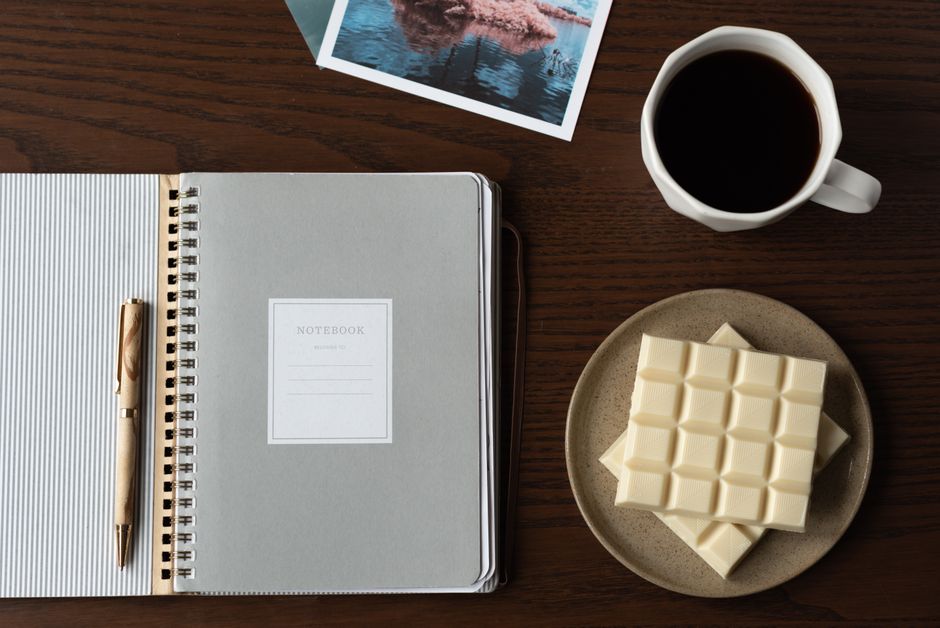
As I settle into my art desk corner with a steaming cup of coffee, the early morning quiet is suddenly pierced by the buzz of my phone. It’s a reminder of the notifications that have been piling up overnight, a small yet potent distraction that pulls my focus away from the notebook sprawled open before me. I have my pen ready, but instead of writing that first line, I find myself reaching for my phone, letting the moment slip away.
- Leave the notebook open and visible to invite immediate engagement.
- Keep the pen uncapped and placed directly next to the notebook.
- Set a timer for five minutes to create a short, focused writing window.
In this moment, the first visible sign of drift occurs: I hesitate, caught between the urge to jot down thoughts and the temptation to check my messages. The pencil, unsharpened and waiting, becomes a symbol of my unpreparedness. If I had simply left it sharpened and ready, I could have transformed that initial buzz into a cue for creativity rather than distraction. Instead, I let the session end without a restart cue, losing the clarity I sought to cultivate.
Why This Pattern Repeats
My art desk corner often feels like a battleground between intention and distraction. On a quiet early morning, with the kitchen counter bathed in soft light, I pour my coffee and set my notebook right next to it. The pen lies uncapped, ready for the first line, yet I hesitate. The notifications from my phone, which I left on the table, whisper to me, pulling my attention away from the blank page. This moment encapsulates the shift from structured journaling to a fleeting emotional response, where the urge to create dissipates under the weight of external interruptions.
Every time I sit down to journal, I face a hidden cause of drift: the absence of a clear, inviting setup. I realize that if I had taken the time to sharpen my pencil before my journaling session, it would serve as a tangible cue to begin. Instead, I find myself staring at the dull tip, mentally calculating how long it will take to sharpen it, which only adds to my reluctance. The act of leaving my supplies in a state of unpreparedness creates a cycle of interruption, where the initial intention to write gets overshadowed by mundane tasks.
As I glance at my phone, I recognize the tradeoff I make each time I let distractions seep into my creative space. The moment I check a notification, I lose the thread of thought I had been nurturing. It’s not just the physical distance from my notebook but also the emotional distance from my creative intentions. I could have set a small timer for five minutes, creating a focused window to jot down thoughts without distractions. Instead, I let the session end without a restart cue, reinforcing the cycle of interruption that keeps clarity at bay.
A Simple Correction to Reinforce the Habit
If this pattern keeps repeating, Creative Hobbies For Adults extends the idea without leaving the niche.
Setting the stage for a productive journaling session often hinges on simple adjustments. Leaving my notebook open on the kitchen counter, next to my coffee mug, serves as a visual cue that beckons me to write. This small act transforms a mundane space into a creative prompt. When I pour my morning coffee, the sight of the open notebook reminds me of my intention to journal, making it easier to slip into the habit before the day gets busy.
To further solidify this routine, I place a pen beside the notebook, ensuring it’s ready for use. I’ve learned that a dull pencil can derail my motivation, so I keep a sharp pen handy. After pouring my coffee, I set a small timer for five minutes. This creates a dedicated slot for journaling, a focused window where I can jot down thoughts without the pull of distractions. The timer acts as both a boundary and a gentle nudge, reminding me that this is my time to engage with my creative process.
By making these adjustments, I reduce the friction that often leads to missed journaling opportunities. The act of having my supplies prepared and visible transforms my art desk corner into a welcoming space for reflection. I find that when I start with just a line or two, the flow of ideas begins to build, setting the tone for a more fulfilling creative session. If I skip these steps, I risk falling back into the pattern of letting my intentions fade into the background noise of daily life.
What Becomes Easier After the Correction
This same friction shows up again in Starting New Hobbies Slowly, especially when the day tightens unexpectedly.
With my art desk corner transformed into a ready space, I find it easier to focus on writing without the urge to check my phone. The act of keeping my notebook open and visible serves as a constant reminder of my intention to journal. When I pour my coffee each morning, I can immediately sit down and start writing, rather than wasting precious time searching for my supplies or deciding what to write about.
Short prompts have become my go-to strategy. Instead of lengthy reflections that often feel daunting, I jot down a line or two that captures a fleeting thought or an idea for a future drawing. This keeps the momentum going and allows me to build on those initial sparks of creativity. The clarity that emerges from this consistent routine is palpable; I notice that my creative output improves as I engage more regularly with my thoughts.
Next time I sit down, I’ll set a small timer for just three minutes. This slight adjustment creates a manageable window to capture my thoughts without the pressure of a full session. I’ll also make sure my pencil is sharpened before I begin. By having these small checks in place, I can dive right into my creative session without the friction of distractions or delays. The difference is striking; I feel more connected to my creative process, and the ideas flow more freely than before.
As I sit at my art desk corner with the morning light filtering in, I realize that the moment I pour my coffee is also the perfect cue to open my notebook. Leaving my pencil out and ready to go eliminates the friction of searching for supplies later. This small act of preparation transforms my journaling from a fleeting mood into a structured practice, allowing me to capture those early thoughts before the day gets louder.
Next time, I’ll make it a point to sharpen my pencil the night before. This way, I can dive straight into my creative session without the distraction of a dull tool. By keeping my setup ready and accessible, I can ensure that my journaling remains a consistent part of my creative habits, fostering clarity and flow in my art practice.


