Why Journaling for Clarity Breaks Down When It Becomes a Mood
Early in the morning, just after pouring a steaming cup of coffee, I find myself at the kitchen counter, notebook open, pen poised. The quietness of the house feels like a precious moment, yet I often hesitate to write. Instead of diving into my sketchbook, I glance at my phone, distracted by notifications that pull me away from my intentions. This fleeting mood shifts my focus, and before I know it, the session ends without a restart cue. The pencil, which I forgot to sharpen the night before, remains dull, a visible reminder of the small adjustments that could have set me up for a productive creative session.
As I sit there, I realize that keeping my art desk corner organized plays a crucial role in maintaining clarity. Leaving a single tool out, like a sharp pencil or a favorite pen, could signal my brain to engage with the sketchbook rather than the distractions of the day. This missed step in preparation often leads to frustration, as the gap between intention and action widens. The simple act of ensuring one ready-to-start setup could transform my journaling practice, bridging the distance between fleeting thoughts and tangible creativity.
The Morning Routine That Sets the Stage

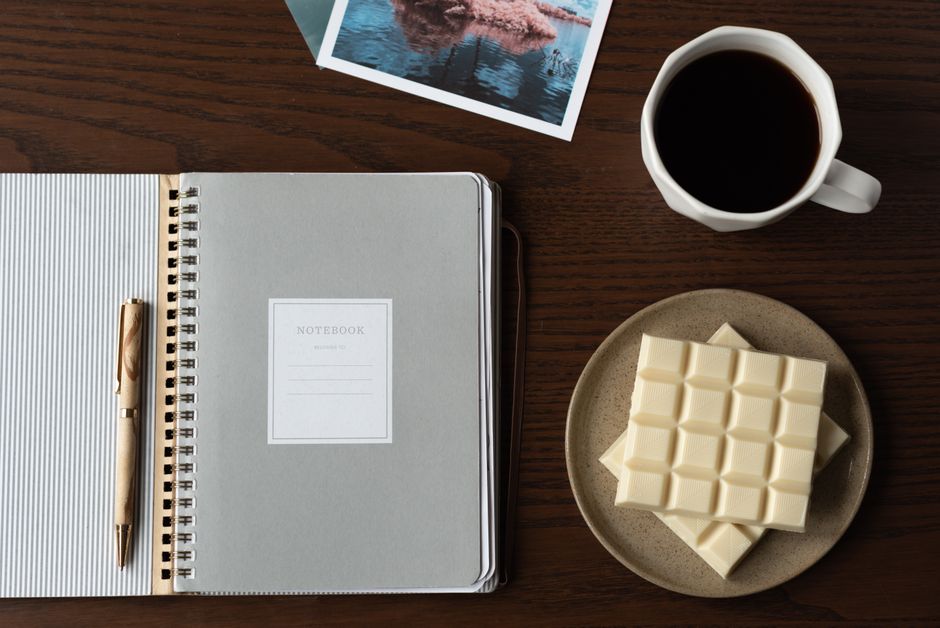
The kitchen counter is my chosen spot for morning journaling, where the soft light filters through the window, casting a warm glow over my notebook and pen. This quiet early morning, just before breakfast, is the perfect time to gather my thoughts. I pour a steaming cup of coffee, letting the rich aroma fill the air, and set it beside my sketchbook. The act of opening the notebook right after pouring the coffee feels like a gentle cue, a signal that it’s time to transition into my creative space.
As I sit down, I remind myself to keep my setup simple and inviting. I take a moment to sharpen my pencil, making sure it’s ready for action. This small detail, often overlooked, can make all the difference; a dull pencil can halt my momentum before it even begins. I write a short reflection, just a line or two, to anchor my thoughts before the day gets louder. This quick check-in not only clears my mind but also sets a clear intention for the session ahead. Leaving my favorite pen out on the counter serves as a visual reminder to engage with my journaling practice, creating a seamless flow from one action to the next. Without this setup, I risk losing the clarity I seek, as distractions creep in and the moment slips away.
The Moment It All Falls Apart
As I sit at my art desk corner, the quiet early morning light filters in, and I pour my coffee, the warmth of the mug grounding me. I open my notebook, ready to jot down a quick thought or two, but before I can settle into the moment, my phone buzzes. I write a single line, a fleeting reflection on yesterday's art session, but the urge to check my notifications is overwhelming. This is where the routine begins to crack.
- Opening the notebook feels promising, but the phone's distraction pulls my focus away.
- After that first line, motivation wanes; I find myself scrolling instead of sketching.
- A sharpened pencil sits ready, but I forget to set a timer to keep myself accountable.
These small friction points accumulate quickly. The first sign of drift is often that initial check of the phone, which leads to a cascade of distractions. Without a visual cue, like leaving my favorite pen out or setting a timer, I lose momentum. The session that started with potential now feels like a missed opportunity, and I’m left wondering how to reclaim that clarity before it slips away.
Why the Mood Shift Causes Disruption
When journaling morphs into a fleeting mood rather than a regular practice, the art desk corner I once found solace in becomes a cluttered reminder of missed opportunities. The quiet early morning, with the sun just peeking through the kitchen window, should be a perfect time to open my sketchbook. Instead, I find myself pouring coffee and getting lost in thoughts about chores or the day ahead, letting distractions seep in.
As I sit at the table, I notice the small timer I usually set to keep my sessions focused is tucked away in a drawer. Without that visual cue, the momentum I need to start drawing fades. I pick up my favorite pen, but without a clear plan or prompt, I hesitate. The first step often feels like the hardest, especially when I realize my pencil needs sharpening before I can even begin. This simple task becomes a barrier, and I find myself scrolling through my phone instead, losing the creative spark.
External distractions, like the sound of my phone buzzing with notifications, further derail my intentions. Each time I check my messages, it’s like a thread unraveling from a carefully woven fabric. The hidden cause of this disruption lies in the lack of a ready-to-start setup. If I had left my sketchbook open with a prompt written on the first page, I might have jumped right in instead of letting the moment slip away. The tradeoff is clear: without a dedicated space and a few simple tools at hand, the joy of journaling becomes just another fleeting thought, easily forgotten in the chaos of daily life.
A Simple Correction to Reinstate Routine
If this pattern keeps repeating, Creative Hobbies For Adults extends the idea without leaving the niche.
At the corner of my art desk, I often find my notebook and pen tucked away, out of sight and out of mind. When I finally sit down with my coffee on a quiet early morning, the urge to journal can quickly fade if I have to dig through drawers to find my supplies. Instead, leaving both the notebook open and the pen uncapped on the desk creates a visual cue that invites me to start writing. This small change makes a significant difference in how easily I can dive into my creative session.
Setting a small timer for ten minutes before I allow myself to check my phone also helps maintain focus. The timer acts as a gentle nudge, creating a sense of urgency that encourages me to write a line or two in my sketchbook. Each tick of the timer reminds me that this is my time, free from distractions. I can jot down thoughts or doodle without the immediate pull of notifications. If I finish before the timer goes off, I can always check my phone then, but often I find that the momentum keeps me engaged with my journaling.
By making these adjustments—keeping my tools visible and allowing myself a set time to write—I can prevent the session from ending without a restart cue. The friction that comes from not having a ready-to-start setup diminishes, and I reclaim those fleeting moments of clarity that journaling brings.
Easier Sessions After the Adjustment
This same friction shows up again in Starting New Hobbies Slowly, especially when the day tightens unexpectedly.
With my sketchbook now resting on the kitchen counter, open to a fresh page, the pressure of starting my journaling sessions has eased significantly. I’ve learned to keep my favorite pencil out, sharpened and ready for action. This small adjustment means I can dive right into my thoughts without the delay of rummaging through drawers for supplies. The morning light filters through the window, and the quiet is a perfect backdrop for reflection.
Instead of lengthy prompts that feel daunting, I’ve started jotting down just a line or two to kick off my creative session. This keeps the act of journaling light and manageable, making it feel like a natural extension of my morning routine rather than a chore. As I sip my coffee, I can quickly note a fleeting idea or sketch a simple shape, allowing my mind to flow without the weight of expectation.
Next time I sit down, I’ll set a small timer for five minutes before I allow myself to check my phone. This creates a focused block of time where I can engage with my sketchbook, knowing that my phone will still be there afterward. The friction of indecision fades, and I find myself more productive, sketching and writing freely. Each session feels less pressured, and I’m reclaiming those moments of clarity that make journaling a joy rather than a task.
As the morning light spills across the kitchen counter, I realize that keeping my art supplies in sight is essential for maintaining my journaling habit. When I finish a session without a clear cue for the next, it’s easy to let days slip by without picking up my sketchbook again. Leaving my pencil sharpened and my notebook open on the counter serves as a gentle reminder to return to my creative practice. This small visual cue transforms my space into an inviting zone for reflection and creativity.
Next time I pour my coffee, I’ll take a moment to set my timer for just five minutes before diving into my phone. This simple act creates a bridge back to my journaling routine, allowing me to capture thoughts and ideas before the day’s noise takes over. By ensuring that my tools are ready and accessible, I can reclaim those fleeting moments of clarity that journaling offers, making it easier to reconnect with my creative self.


