Why Journaling for Clarity Breaks Down: The Shift from Routine to Mood
Early morning light filters through the kitchen window as I pour my first cup of coffee, the rich aroma filling the air. My art desk corner, cluttered yet inviting, holds my sketchbook and a few pens, ready for a creative session. I open the notebook, intending to jot down a quick reflection before the day gets louder, but I pause, glancing at my phone instead. The pencil I left out last night needs sharpening, a small task that suddenly feels like a barrier between me and the clarity I seek. This moment, where the routine begins to falter, marks the transition from structured journaling to a mood-based approach, where the intention can easily slip away.
As I sit down with my coffee, I realize that the absence of a clear restart cue often leads to missed opportunities for reflection. A small timer sits nearby, a forgotten tool that could signal when to begin writing instead of getting lost in distractions. The act of journaling should feel like a natural extension of my creative habits, but without that intentional setup, it can devolve into a sporadic mood rather than a repeatable practice. Each session has the potential to build upon the last, yet without a simple check like sharpening my pencil or setting the timer, I risk losing the momentum that makes journaling effective.
The Morning Routine That Sets Up Clarity

Pouring a fresh cup of coffee in the quiet of the early morning sets the stage for a productive journaling session. As the steam rises, I place my favorite notebook on the kitchen counter, its pages still crisp and inviting. This moment is crucial; it’s the first step in a sequence that should lead to clarity. After the coffee is poured, I open the notebook right away, ready to capture thoughts before the day’s noise begins. The act of flipping to a blank page feels like an invitation to engage with my creative side.
Next comes the timer. I set it for ten minutes, a manageable span that encourages focused writing without feeling overwhelming. With a pen in hand, I write a short reflection, usually just a line or two, to ground myself in the present. This initial action not only warms up my mind but also signals my brain that it’s time to transition into a creative session. If I skip this step, I often find myself distracted, checking my phone or getting lost in thoughts instead of writing.
The friction arises when this routine is interrupted or neglected. Without the timer or the quick reflection, I can easily slip into a mood-based approach, where journaling becomes sporadic and lacks the structure that helps me gain clarity. The pencil needs sharpening before I can even start drawing, which feels like a barrier that can derail my intentions. Maintaining this simple order of actions—coffee, notebook, timer, and reflection—creates a clear path to my creative practice, making it less likely for the session to fizzle out before it even begins.
Where the Practice Starts to Falter
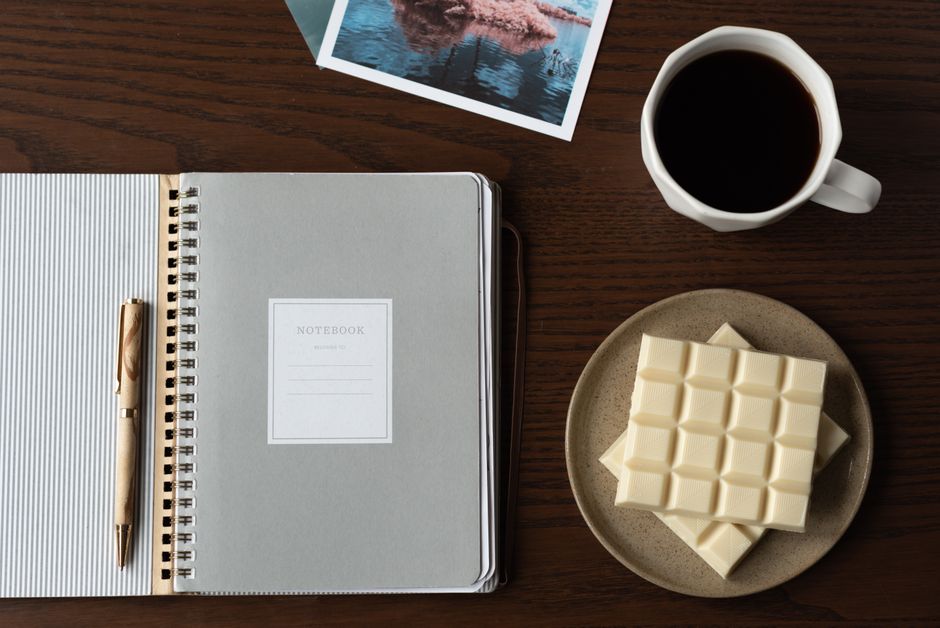
On quiet mornings, after pouring my coffee, I often find myself staring at my closed notebook instead of diving into my journaling practice. This moment is crucial; it’s where the structured habit begins to slip into a mood-based approach. The temptation to check my phone creeps in, and suddenly, I’m scrolling through notifications instead of writing that first line. The notebook sits there, waiting, but my focus drifts, overwhelmed by the day’s tasks that loom ahead.
When I finally do open the notebook, I notice that I haven’t sharpened my pencil yet. This small snag can feel like a significant delay, creating a barrier to starting my creative session. I realize that without a simple checklist—coffee, sharpen pencil, open notebook, set a timer—I risk losing the momentum I built in previous sessions. Each step matters, and skipping even one can lead to distractions that derail my intentions. The day begins to feel louder, and my journaling practice fades into the background.
To counter this, I’ve started placing my notebook directly next to my coffee maker. This way, when I pour my coffee, I’m immediately reminded to open the notebook and write that first line before anything else distracts me. It’s a small adjustment, but it creates a clear signal that it’s time to transition into my creative space. By keeping the notebook visible and ready, I’m less likely to let it remain closed, ensuring that my journaling stays anchored in routine rather than mood.
This same friction shows up again in Starting New Hobbies Slowly, especially when the day tightens unexpectedly.
A Simple Correction That Restores Focus
Leaving my pen and notebook out the night before has turned into a game changer for my morning journaling routine. Instead of shuffling through drawers or rummaging through bags to find my supplies, I now set my notebook and pen on the kitchen counter right next to the coffee maker. This small adjustment means that when I pour my coffee in the quiet early morning, I’m greeted by my open notebook, ready for that first line. It creates a visual cue that signals the start of my creative session, reducing the friction that often leads to skipping journaling altogether.
To further streamline my process, I’ve started using a small timer set for ten minutes. This defined writing window helps me focus without feeling overwhelmed by the prospect of filling pages. I limit my prompts to just one or two lines, which keeps the pressure low and allows for a more spontaneous flow of ideas. With the timer ticking softly in the background, I can jot down thoughts or sketches without the fear of judgment or perfectionism creeping in. The combination of having my materials ready and a clear time limit has transformed my journaling from a mood-based activity back into a structured practice, ensuring that I engage with my creativity consistently.
What Becomes Easier After the Correction
If this pattern keeps repeating, Creative Hobbies For Adults extends the idea without leaving the niche.
Returning to a structured journaling approach transforms the experience significantly. Instead of feeling like a chore, writing becomes a natural part of my morning routine. As I pour my coffee and glance at my art desk corner, I see my notebook and pen waiting for me, which creates a visual cue that encourages me to write. This setup minimizes the distractions that often pull me away from journaling, such as checking my phone or getting lost in thoughts about the day ahead.
By keeping my prompts short—just one or two lines—I eliminate the pressure to produce lengthy entries. This not only saves time but also motivates me to continue the practice. The next time I sit down, I can immediately open my notebook, write a quick reflection, and then set a small timer for five minutes. This timer acts as a gentle reminder to focus, allowing me to engage with my thoughts without the anxiety of perfectionism. I find that when my pencil is sharpened and my materials are ready, I can dive right into drawing or jotting down ideas without hesitation.
Each session feels less like a task and more like an extension of my creative hobbies. The difference is palpable; I no longer waste precious minutes deciding whether to start or getting distracted by other tasks. Instead, I can enjoy the flow of creativity, knowing that my setup supports my journaling habit. This simple adjustment has made the act of journaling feel less like a mood-driven activity and more like a fulfilling part of my day.
As I settle into my art desk corner, the morning light filtering through the window, I realize that keeping my supplies ready is crucial. I’ve learned the hard way that if my pencil isn’t sharpened or my notebook isn’t open, I’m likely to lose momentum before I even begin. Leaving my pencil out, ready to go, serves as a visual cue that invites me to start drawing or writing. This small act eliminates the friction of preparation, allowing me to dive straight into my creative session.
The next time I pour my coffee, I’ll make it a point to open my notebook first. This simple adjustment transforms my journaling from a mood-driven task into a structured part of my morning. By creating a ready-to-start setup, I can write a quick reflection before the day gets louder, ensuring that my journaling practice remains a consistent and fulfilling part of my routine.


