The Hidden Challenges of Journaling for Clarity
The morning light filters softly through the kitchen window as I pour my first cup of coffee, the rich aroma filling the air. My art desk, cluttered with a mix of sketchbooks and craft supplies, waits patiently for my attention. I pull out my favorite notebook, its pages still crisp, and set it beside my coffee mug. The quiet of the early hour is the perfect backdrop for reflection, but I can’t shake the feeling of unfinished business from my last creative session. I had meant to mark the next step in my project, but the moment slipped away, leaving me staring at a blank page instead of a clear plan.
Before I can dive into the day’s distractions, I remind myself to write down just one line to capture my thoughts. The pen hovers above the page, but I hesitate, recalling how my supplies remain zipped in their bag, forgotten and out of reach. The friction of not having a visible prompt or clear next step makes it harder to reignite my creative flow. I know I need to photograph my current setup to see what I can work with, but that task feels daunting without a clear direction. Each moment of indecision adds to the weight of my missed evenings, making the act of journaling feel more challenging than it should. The Morning Routine That Gets Stalled The kitchen counter is a familiar sight at this hour, with the warm glow of the lamp illuminating my open notebook, a pen resting beside it, and a steaming coffee mug within reach. The aroma of freshly brewed coffee fills the air, coaxing me into a moment of clarity. I pour the coffee, feeling the heat radiate through the ceramic, and instinctively open my notebook to the last page I had scribbled on. Yet, as I flip the cover, the urge to check my phone tugs at me, a distraction lurking just beyond the page.
Opening the notebook right after pouring coffee should feel like a seamless transition into my creative space, but instead, I’m met with a blank page that mirrors my stalled intentions. I glance at the supplies, still zipped in their bag across the room, a visible reminder of the unfinished business from my last session. The absence of marked next steps weighs heavily on my mind, and I realize that without a clear prompt or direction, reigniting my creative flow becomes a daunting task. I know I should take a moment to photograph my current setup, capturing the scene to inspire my next move, but the decision feels overwhelming without a clear plan in place. Each hesitation amplifies the friction, making the act of journaling feel less like a habit and more like a hurdle. The First Step That Gets Skipped The kitchen counter is still quiet, the soft glow from the lamp illuminating my notebook and a steaming coffee mug. I take a moment to breathe in the aroma, feeling ready to write. Yet, just as I pour the coffee, my phone buzzes with a notification, pulling my attention away. I had planned to write one line before checking my phone, but the allure of social media is too strong. I tell myself it will only take a minute, but I find myself scrolling through posts instead of focusing on my thoughts.
As I sit there, I realize that the supplies I need for my journaling session are still zipped in their bag across the room. The absence of a clear prompt or direction leaves me feeling adrift. I had intended to sketch a quick idea or jot down a thought, but instead, I’m lost in a sea of images and updates. The missed check of my supplies becomes a visible barrier, and the time slips away unnoticed.
After a few minutes, I reluctantly put my phone down, but the moment is gone. The initial spark to write has dimmed, and my intention to capture a thought has turned into a struggle. I glance back at my notebook, still blank, and realize that without that first step of writing something down, I’ve allowed distractions to derail my creative session. The next time, I need to remember to keep my phone out of reach and prioritize that first line, even if it feels like a small action.
Why the Setup Feels Overwhelming

As I settle at my lamp-lit work surface one quiet morning, the first obstacle becomes clear: my supplies are still zipped in a bag across the kitchen counter. This distance feels like a barrier, making the thought of starting my journaling session seem daunting. I pour a cup of coffee, hoping the warmth will spark some inspiration, but instead, I find myself staring at my untouched notebook.
- Without my sketchbook and pens within reach, the act of journaling feels like a chore rather than a creative outlet.
- The pressure to begin with a perfect line weighs on me, leading to procrastination as I scroll through my phone instead.
- I realize that I skipped a crucial step: laying out my supplies the night before, which would have made this morning feel seamless.
Good intentions alone aren’t enough; I had planned to capture thoughts and sketches, but the lack of preparation has left me stuck. As I glance at the blank pages, I recognize that the next step was never marked, and without that first line, my creativity feels stifled. The time slips away, and I’m left with a sense of frustration instead of clarity.
A Better Order for the Same Five Minutes
A slightly different version of this problem appears in Creative Hobbies For Adults, where the sequence changes but the hidden drag feels familiar.
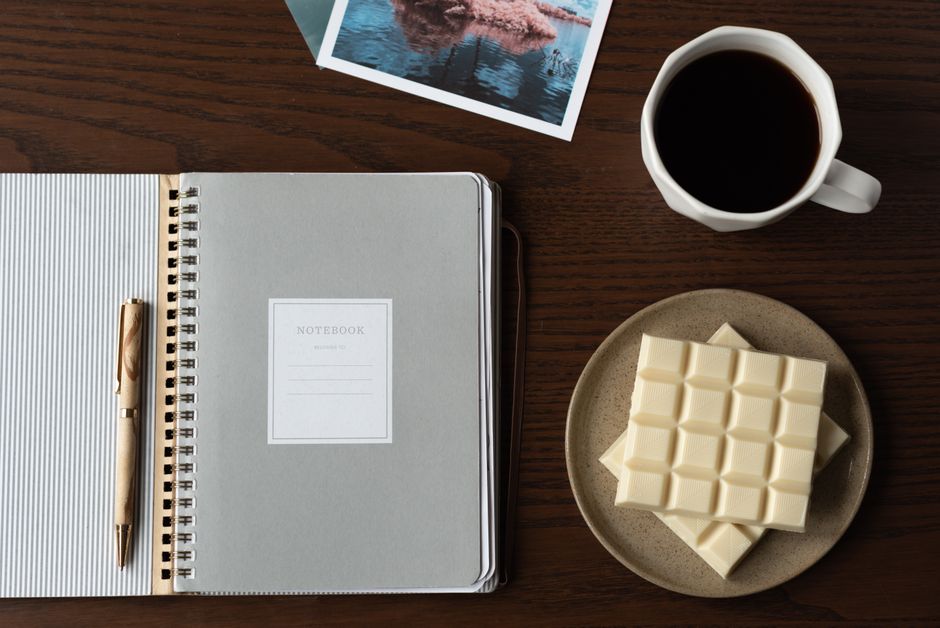
The kitchen counter, softly illuminated by the morning lamp, holds my notebook and pen, but the supplies still zipped in their bag feel like a barrier. I pour my coffee, the steam rising in the quiet of the early morning, and I’m reminded of the small adjustments that could ease my journaling routine. Instead of diving straight into the blank pages, I realize I could set a small timer for five minutes. This creates a sense of urgency that often sparks creativity, pushing me to write something, anything, before the day grows louder.
With the timer set, I open my notebook and jot down a prompt: "What do I want to create today?" Keeping it short makes it less intimidating. I can feel the pressure lifting as I allow myself to focus on just one line. This simple sequence change—prompting myself first, then writing—feels more manageable than staring at a blank page. I notice that my mind begins to flow, and the act of writing becomes less about perfection and more about exploration.
As I glance at the timer, I realize that this small shift in order not only reduces friction but also encourages action. The supplies are still zipped away, but the urgency of the timer and the simplicity of the prompt help me overcome the initial hurdle. I can always unpack the art supplies later, but for now, I’ve turned a moment of hesitation into a small creative session. This morning, I’ve learned that a little structure can transform the daunting into the doable.
How a Simple Adjustment Changes the Day
If this pattern keeps repeating, Starting New Hobbies Slowly extends the idea without leaving the niche.
The kitchen counter, still cool from the night, feels like the perfect spot for my morning ritual. As I pour my coffee, the aroma fills the air, and I take a moment to appreciate the quiet before the day begins. With the mug in hand, I open my notebook, its pages waiting for the ink to flow. Today, I decide to keep my prompts short, a conscious choice to ease the pressure I often feel. Instead of lengthy reflections, I scribble down a single line: "What small step can I take today?" This simple act feels inviting rather than daunting.
As I write, I notice how the act of journaling shifts my mindset. The pressure to produce something profound dissipates, replaced by a sense of clarity. I glance at the small timer on the table, set for just five minutes. This constraint encourages me to focus, and I find myself jotting down ideas for the day ahead—tasks that had felt overwhelming just moments before now seem manageable. The supplies still sit zipped in their bag, untouched, but I realize that I can always unpack them later. For now, the notebook serves as my creative launchpad.
Finishing my entry, I feel a renewed motivation to tackle the day. The journaling session becomes a seamless part of my routine, rather than a chore I dread. I can already envision how this small morning adjustment will ripple through my day, transforming mundane tasks into opportunities for creativity. With my notebook closed and a clear plan in mind, I take a deep breath, ready to embrace whatever comes next.
As I wrap up my morning session, I notice the half-empty coffee mug beside me and the quiet stillness of the kitchen counter. The notebook, now filled with a few lines of thought, feels like a small victory. Yet, I can’t shake the feeling that tomorrow's creative session could slip away if I don’t mark the next step. I grab my phone and snap a quick photograph of my current setup—the open notebook, the pen poised for more, and the supplies still zipped in their bag. This visual cue will remind me to unpack them later, ensuring I don’t lose this momentum.
Before the day gets too loud, I take a moment to write down one specific task I want to tackle in my next creative session. It’s a simple adjustment, but it sets a clear intention. With the notebook closed, I feel a sense of readiness to move forward, knowing that the next step is already waiting for me, marked and clear.


